
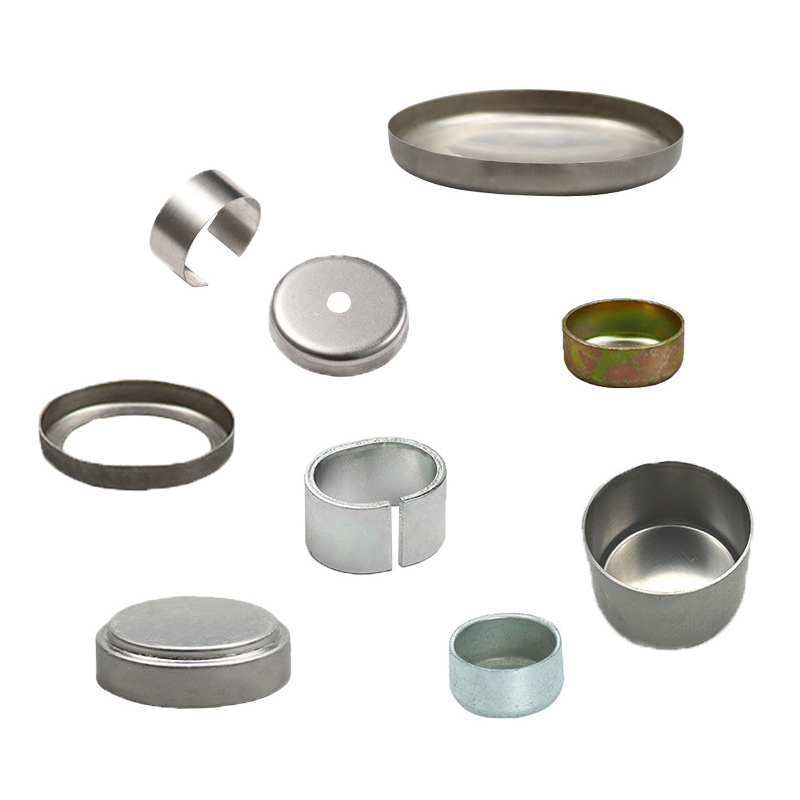
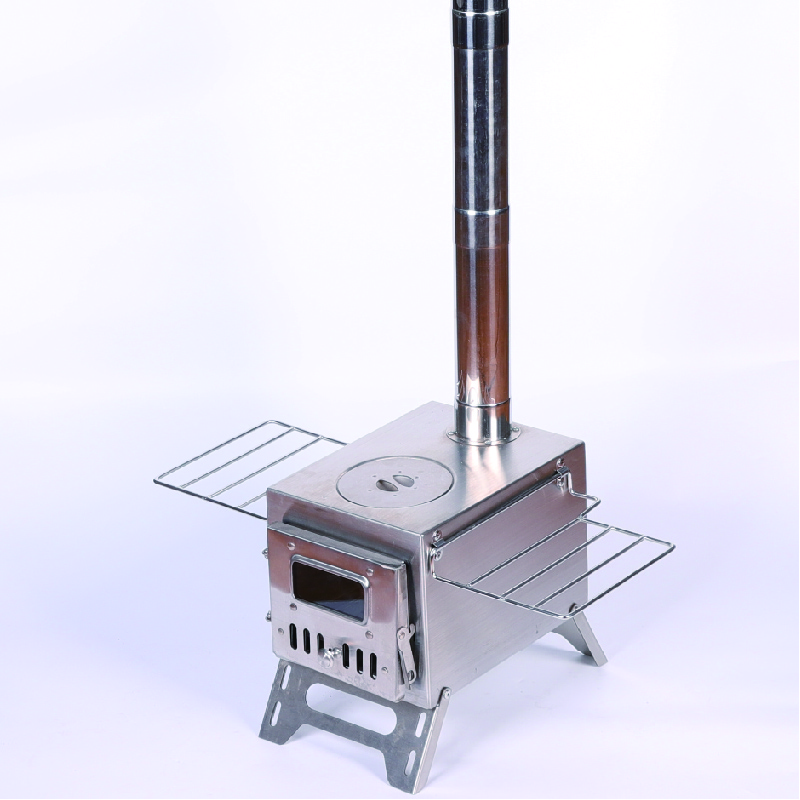
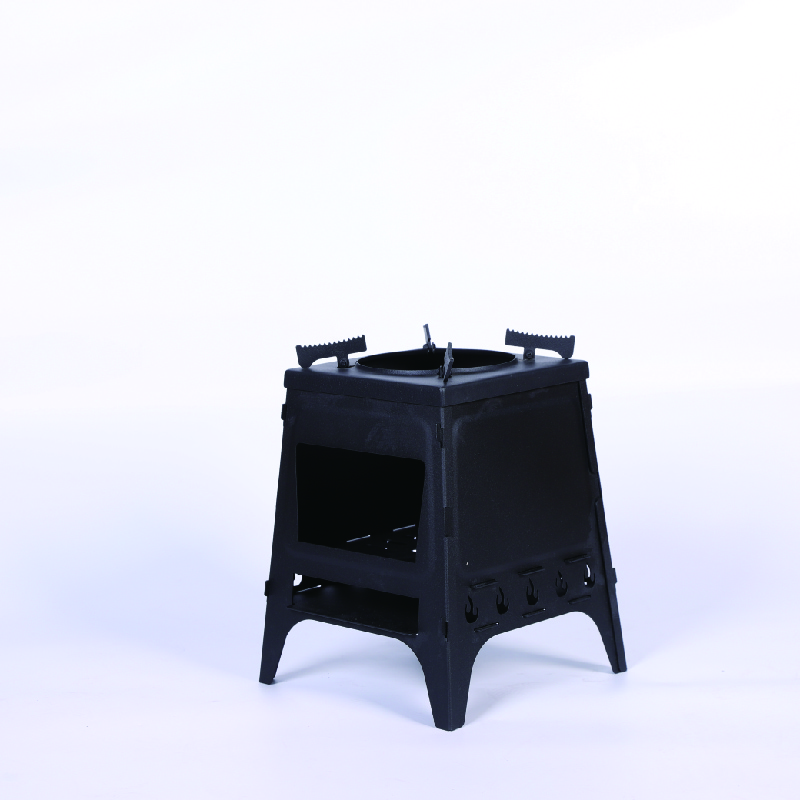
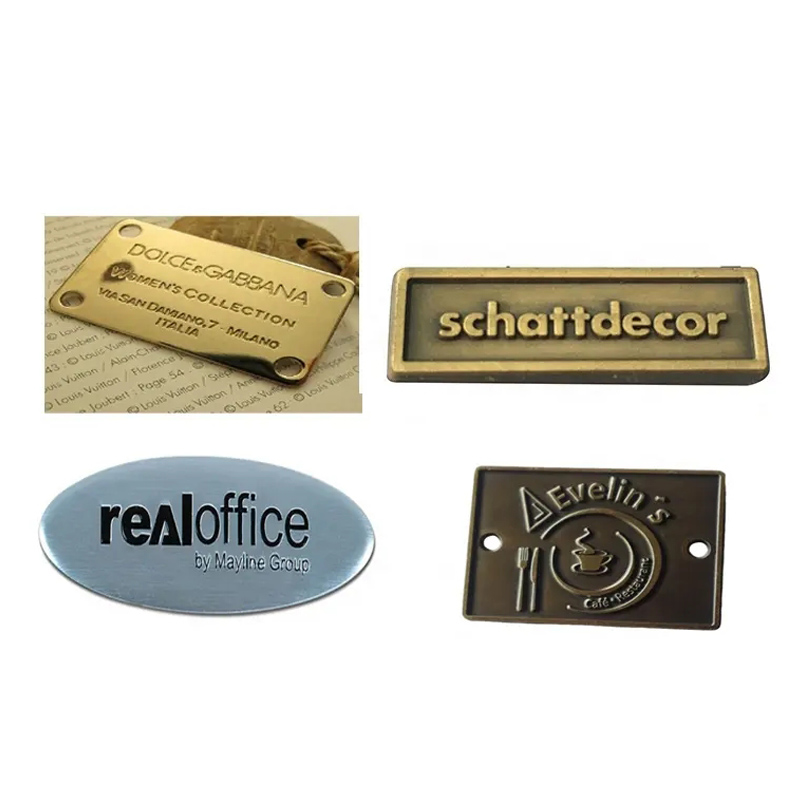
In 2026, the global metal stamping industry is entering a new stage of transformation. As U.S. tariffs on automotive parts, steel components, and industrial assemblies continue to affect global trade, international OEM buyers are rapidly restructuring their sourcing strategies. For buyers in automotive, electronics, renewable energy, and industrial equipment sectors, choosing a reliable metal stamping manufacturer is no longer only about price — it is about supply chain resilience, lead-time stability, and geopolitical risk control.
The latest U.S. tariff adjustments on imported automotive parts and steel derivative products are creating major pressure across the manufacturing sector. Multiple industry reports indicate that automotive and industrial buyers are actively diversifying procurement toward Southeast Asia and trusted Asian manufacturing partners.
Why Overseas Buyers Are Increasing Metal Stamping Procurement in Asia
The global manufacturing environment has changed dramatically since 2025. U.S. tariff policies targeting automotive imports and steel-related products have increased manufacturing costs for American and European buyers.
At the same time, supply chain instability caused by geopolitical tensions has encouraged multinational companies to adopt “China+1” and “multi-country sourcing” strategies. Southeast Asia has become one of the largest beneficiaries of this transition.
For industrial buyers, this means one thing:
Reliable metal stamping suppliers with export experience are becoming strategic partners rather than simple vendors.
A qualified precision stamping factory must now offer:
Stable raw material sourcing
Fast tooling development
Flexible production capacity
International quality certifications
Cost control under tariff pressure
Engineering support for OEM projects
This is especially important for industries such as:
Automotive Parts
EV Components
Solar Energy Equipment
Industrial Electronics
Smart Home Hardware
Construction Hardware
Precision Stamping Demand Surges in Automotive Parts Industry
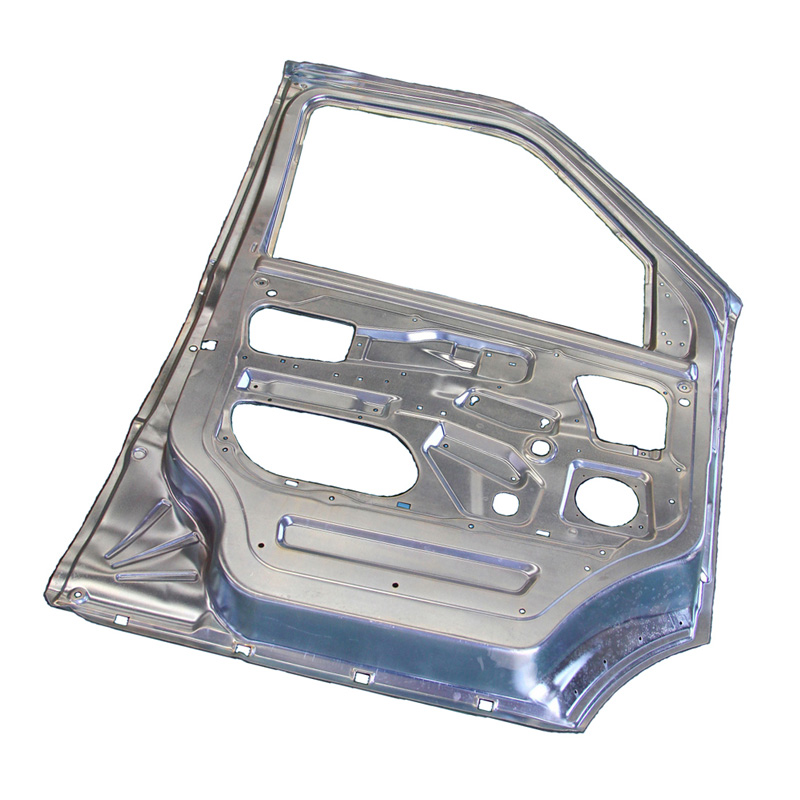
The automotive industry remains the largest buyer of metal stamping products globally. Current tariff changes on automotive components are pushing OEMs to redesign procurement networks.
As EV production expands worldwide, demand for lightweight sheet metal fabrication and high-precision structural parts continues to rise.
Key trends include:
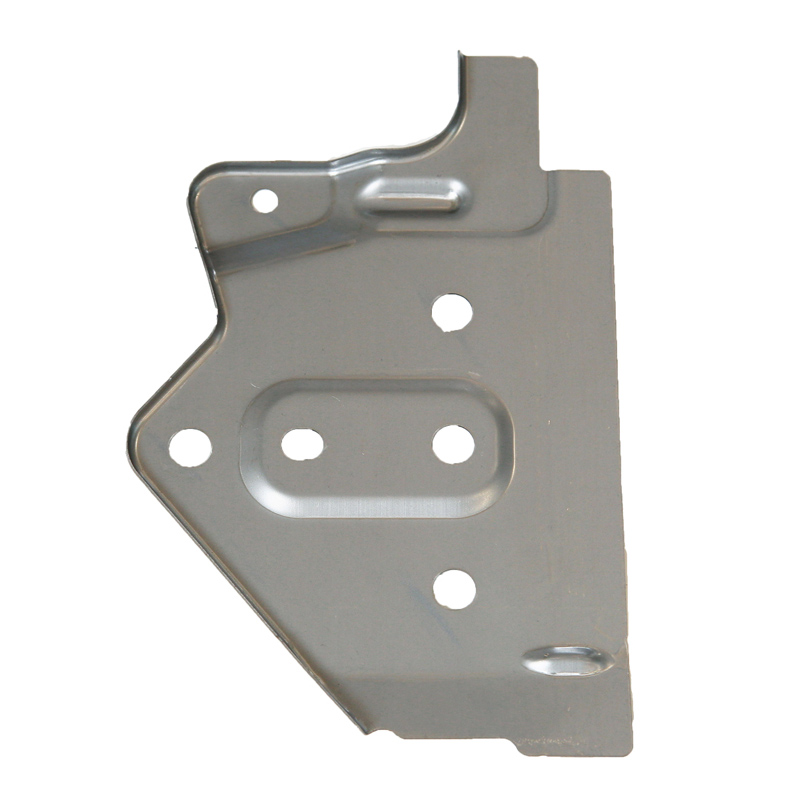
Aluminum precision stamping
Stainless steel brackets
EV battery housing components
High-strength steel assemblies
Progressive die stamping
Robotic welding integration
Many buyers are now prioritizing suppliers capable of combining:
Metal Stamping + CNC Machining + Welding + Surface Treatment
under one roof.
This integrated manufacturing model reduces logistics cost and improves project efficiency.
OEM Manufacturing Buyers Focus on Supply Chain Stability
In recent discussions across manufacturing communities and supply chain forums, procurement managers repeatedly highlight the same concern: unpredictability.
OEM buyers are no longer selecting suppliers based solely on the lowest quotation. Instead, they evaluate:
Production continuity
Export experience
Quality management
Engineering communication
Tariff adaptability
Delivery reliability
This trend strongly benefits experienced Asian OEM manufacturing partners capable of supporting global industrial customers.
Factories specializing in precision stamping and sheet metal fabrication are increasingly being asked to provide:
DFM analysis
Prototype development
Small-batch production
High-volume manufacturing
Assembly solutions
Custom packaging for global logistics
Sustainability and Green Manufacturing Become New Purchasing Standards
European and American buyers are also emphasizing sustainability requirements in supplier evaluation.
Modern metal stamping factories are investing in:
Energy-saving production systems
Recyclable steel and aluminum materials
Automated stamping lines
Waste reduction systems
Carbon footprint management
Green manufacturing is now directly linked to OEM procurement decisions.
In sectors such as renewable energy and EV production, environmentally responsible sheet metal fabrication suppliers gain stronger competitive advantages.
Southeast Asia Emerges as Strategic Manufacturing Hub
Southeast Asia continues attracting global manufacturing investment thanks to:
Competitive labor structure
Expanding industrial infrastructure
Export-oriented policies
Strong logistics networks
Growing electronics and automotive ecosystems
Recent trade developments indicate that the region remains central to future industrial supply chains despite ongoing tariff negotiations.
For international buyers, partnering with an experienced metal stamping and OEM manufacturing supplier in Asia provides both flexibility and long-term stability.
Conclusion
The global industrial market is entering a new sourcing era shaped by tariffs, geopolitical restructuring, and supply chain diversification.
For overseas buyers, choosing the right metal stamping partner means securing:
Stable production
Competitive pricing
Precision engineering
Reliable delivery
Long-term manufacturing resilience
As demand for precision stamping, sheet metal fabrication, automotive parts, and OEM manufacturing continues growing, factories with international experience and integrated production capabilities will become the preferred suppliers for global OEM customers.
