





1. The Origin: Fire as the Foundation of Human Survival
Fire is one of the earliest technological breakthroughs in human history. Long before modern tools existed, early humans relied on open fire for warmth, cooking, protection, and social gathering. The earliest “stoves” were simply controlled fire pits made from stones and earth, designed to contain flames and improve efficiency.
As societies developed, humans began to shape fire more deliberately. Simple fire pits gradually evolved into enclosed hearths, clay ovens, and metal fireboxes. These early designs shared a common purpose: to concentrate heat, reduce fuel consumption, and improve safety.
The idea behind today’s portable wood-burning stove originates from these early efforts — compacting fire into a controlled, functional structure.
2. The Evolution Toward Portability
The shift from fixed hearths to portable stoves emerged alongside human mobility. Nomadic cultures, military campaigns, and exploration activities required reliable cooking tools that could be transported easily. Metalworking advancements enabled the creation of small, durable fire containers that could be dismantled and reused.
During the industrial era, cast iron and steel stoves became common in households and camps. For outdoor use, lightweight metal stoves were developed for soldiers, explorers, and field engineers, emphasizing durability and simplicity rather than comfort.
These early portable stoves laid the foundation for modern outdoor wood stoves by introducing key principles:
Compact structure
Efficient combustion
Ease of assembly and transport
3. Modern Outdoor Culture and the Return of Wood-Burning Stoves
With the rise of gas canisters and liquid fuel stoves in the 20th century, wood-burning stoves were temporarily overshadowed by convenience-driven solutions. However, in recent decades, outdoor enthusiasts have rediscovered the value of wood-fueled stoves.
This revival is closely tied to trends such as:
Bushcraft and survival culture
Minimalist and self-sufficient camping
Sustainability and environmental awareness
Wood-burning stoves require no external fuel supply, relying instead on natural materials such as twigs, branches, and biomass found at campsites. This independence makes them particularly appealing for long trips, remote environments, and emergency preparedness.
4. Structural and Material Innovation
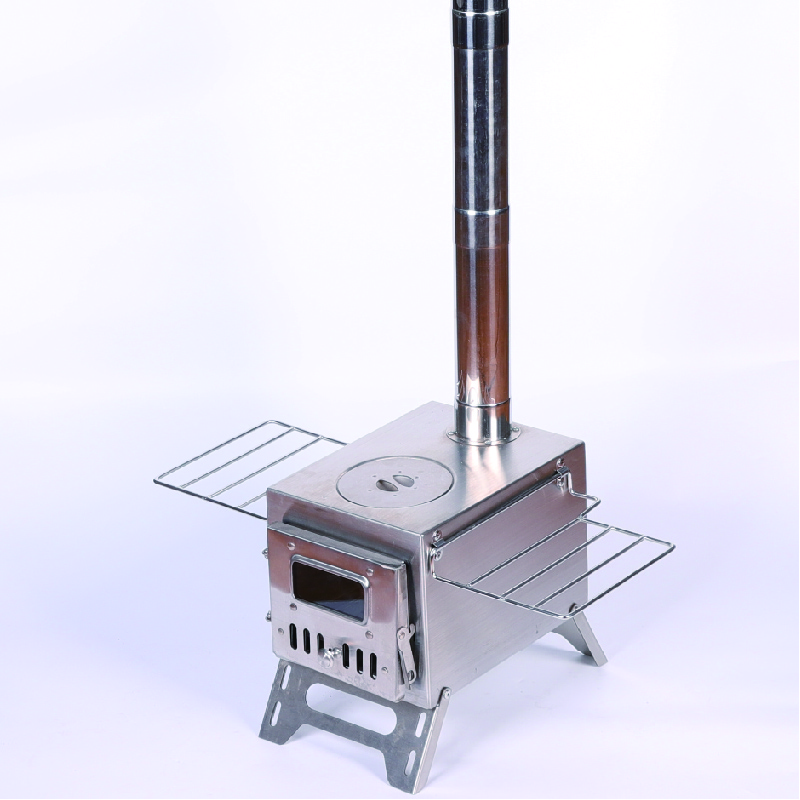
Modern portable wood-burning stoves are no longer crude fire boxes. Thanks to improvements in materials and manufacturing, contemporary designs emphasize performance, durability, and portability.
Common improvements include:
Stainless steel or carbon steel construction for heat resistance and strength
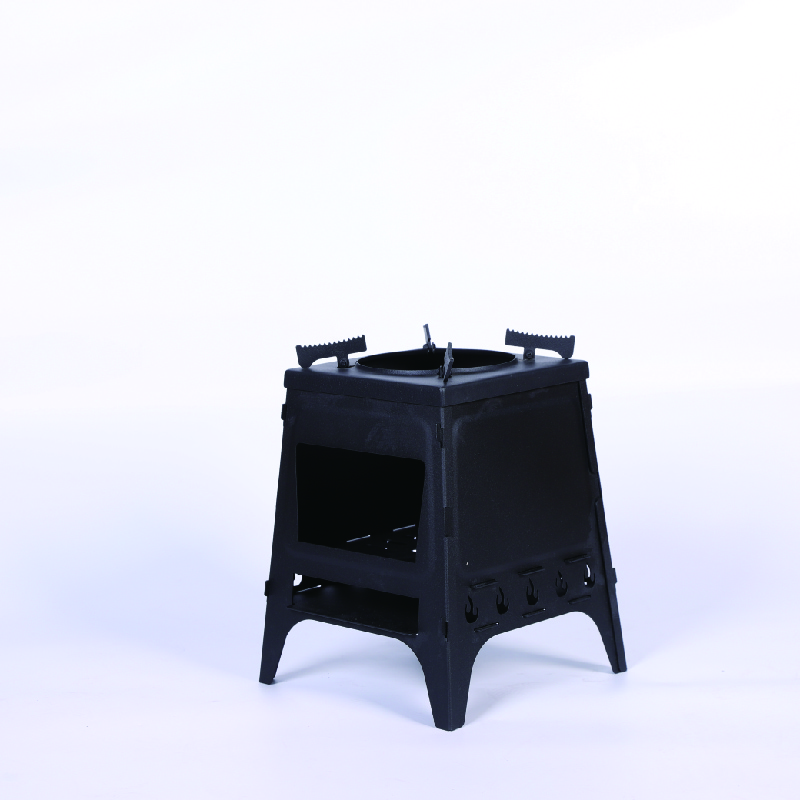
Foldable or modular structures to reduce storage space
Optimized airflow design to improve combustion efficiency
Ventilation slots and chimney effects to reduce smoke output
Flat-pack designs suitable for backpacks and outdoor kits
These innovations allow wood-burning stoves to deliver stable heat output while remaining lightweight and easy to assemble.
5. Practical Advantages in Outdoor Applications
Portable wood-burning stoves offer several advantages that distinguish them from fuel-based alternatives:
Fuel Accessibility
Users are not limited by gas canisters or liquid fuel availability. As long as natural biomass is accessible, cooking and heating can continue.
Environmental Considerations
Using renewable wood fuel reduces dependence on disposable fuel containers and minimizes waste in outdoor environments.
Reliability and Simplicity
With fewer mechanical components, wood stoves are highly reliable and easy to maintain, even in harsh conditions.
Multi-Functionality
Beyond cooking, wood-burning stoves can also provide warmth, light, and a stable fire platform in outdoor settings.
6. Manufacturing Perspective: Precision Meets Tradition
From a manufacturing standpoint, portable wood-burning stoves represent a unique balance between traditional fire control concepts and modern metal fabrication techniques.
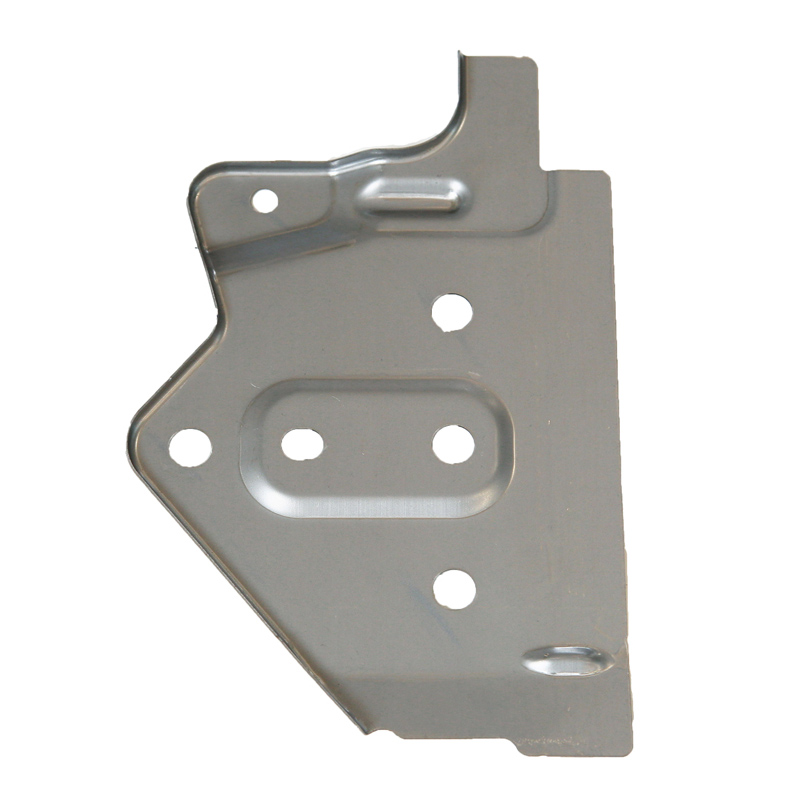
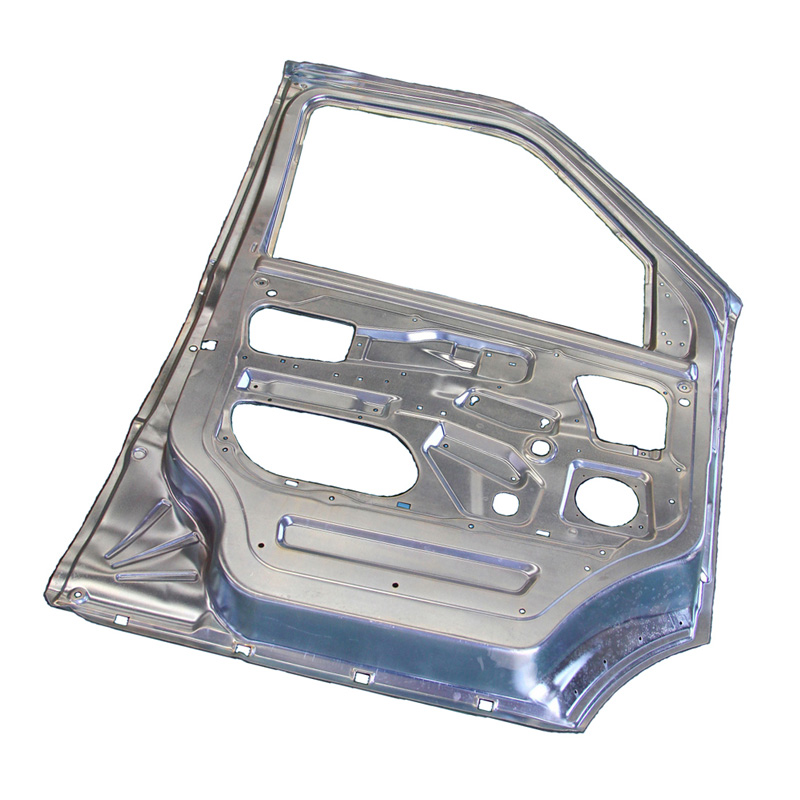
Precision cutting, folding accuracy, weld quality, and surface finishing all directly influence performance and user safety. Manufacturers must carefully consider:
Heat deformation resistance
Structural stability under load
Safety during assembly and disassembly
Long-term durability under repeated thermal cycles
Modern manufacturing enables consistency and scalability, ensuring that each product performs reliably across varied outdoor conditions.
7. Market Trends and Future Outlook
The global outdoor equipment market continues to expand, driven by lifestyle changes and growing interest in nature-based recreation. Portable wood-burning stoves are expected to maintain strong demand, particularly among experienced campers and survival-oriented users.
Future development trends may include:
Improved combustion efficiency
Lighter structural designs
Enhanced compatibility with cooking accessories
Integration of modular outdoor systems
At the same time, manufacturers are placing greater emphasis on sustainability, material efficiency, and user-oriented design.
Conclusion
From ancient fire pits to precision-engineered portable stoves, the evolution of wood-burning stoves reflects humanity’s continuous effort to harness fire more effectively. Today’s portable wood-burning stove is not merely a piece of outdoor equipment—it is the result of centuries of knowledge, adaptation, and innovation.
As outdoor culture continues to evolve, portable wood-burning stoves remain a powerful symbol of self-reliance, simplicity, and respect for natural resources. With the combination of traditional principles and modern manufacturing expertise, they will continue to play a meaningful role in outdoor life for years to come.
