
Manufacturing companies across Europe and North America are facing increasing pressure to reduce production costs while maintaining high product quality. Rising labor expenses, stricter environmental regulations, and growing demand for advanced industrial equipment have encouraged buyers to search for more efficient manufacturing solutions.
As a result, Custom Metal Stamping has become one of the fastest-growing production methods for OEMs in the automotive, renewable energy, industrial automation, electronics, agricultural machinery, and construction industries.
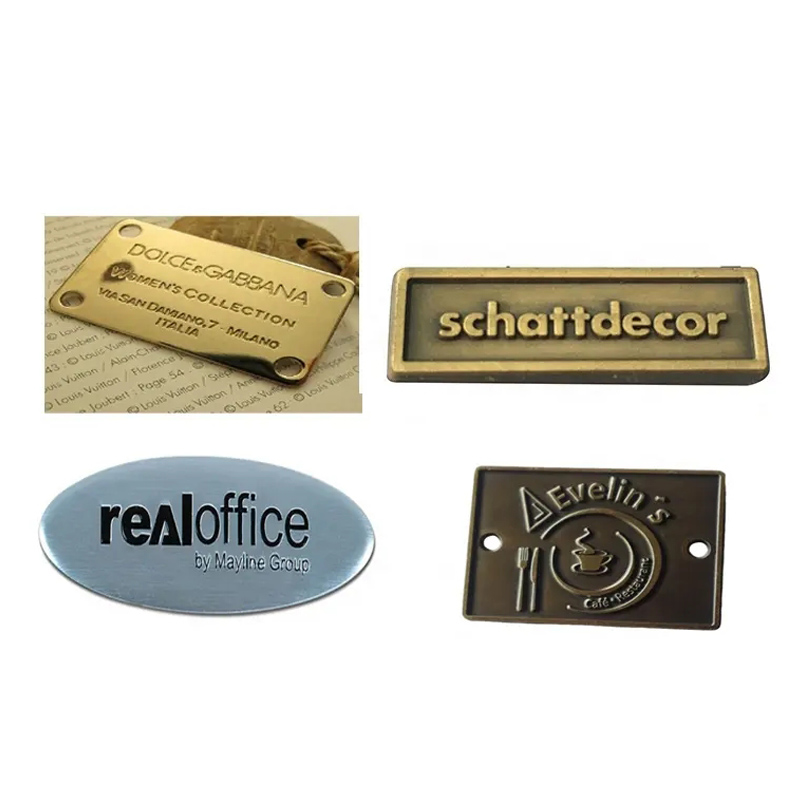
Unlike standard components, Custom Metal Stamping allows manufacturers to produce parts that precisely match engineering drawings, functional requirements, and industry standards. This flexibility helps reduce assembly time, improve product performance, and minimize material waste.
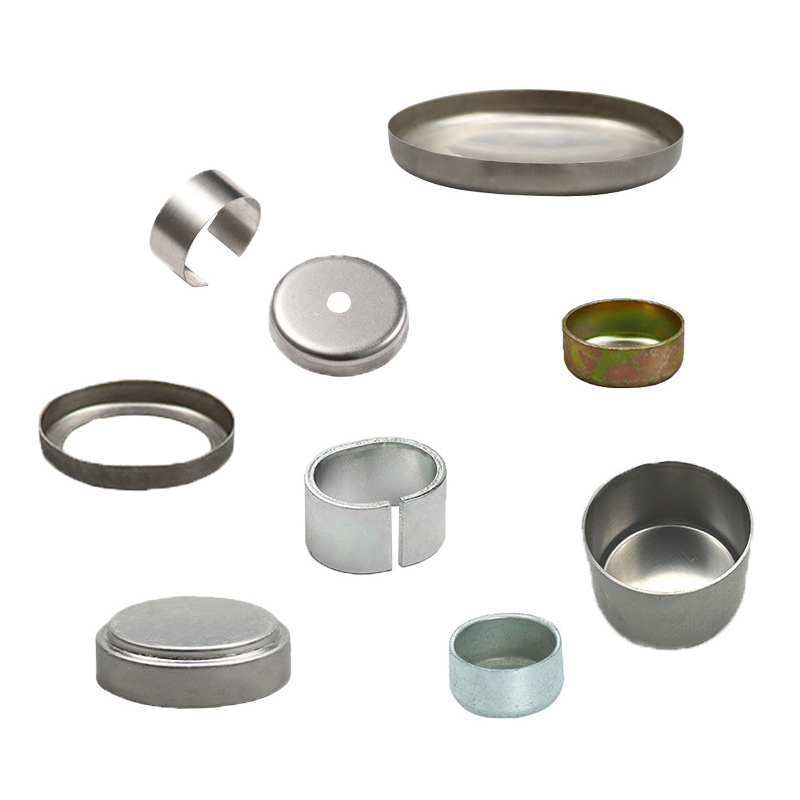
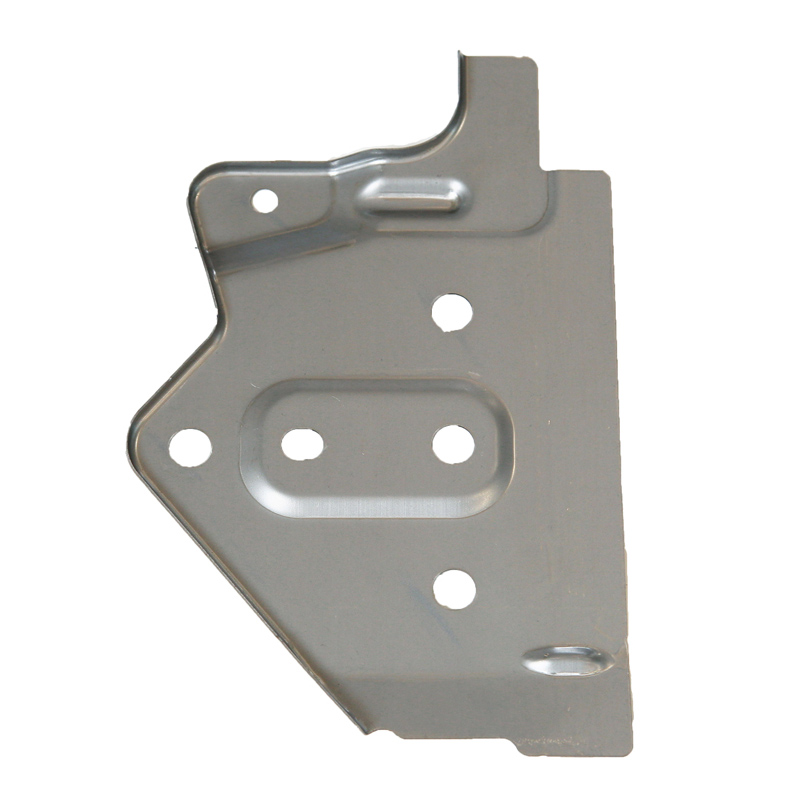
At the same time, demand for Metal Stamping Parts continues to increase. Every electric vehicle, industrial robot, solar inverter, battery storage cabinet, and intelligent machine contains dozens or even hundreds of Metal Stamping Parts. These parts are essential for structural support, fastening systems, shielding, brackets, connectors, and protective enclosures.
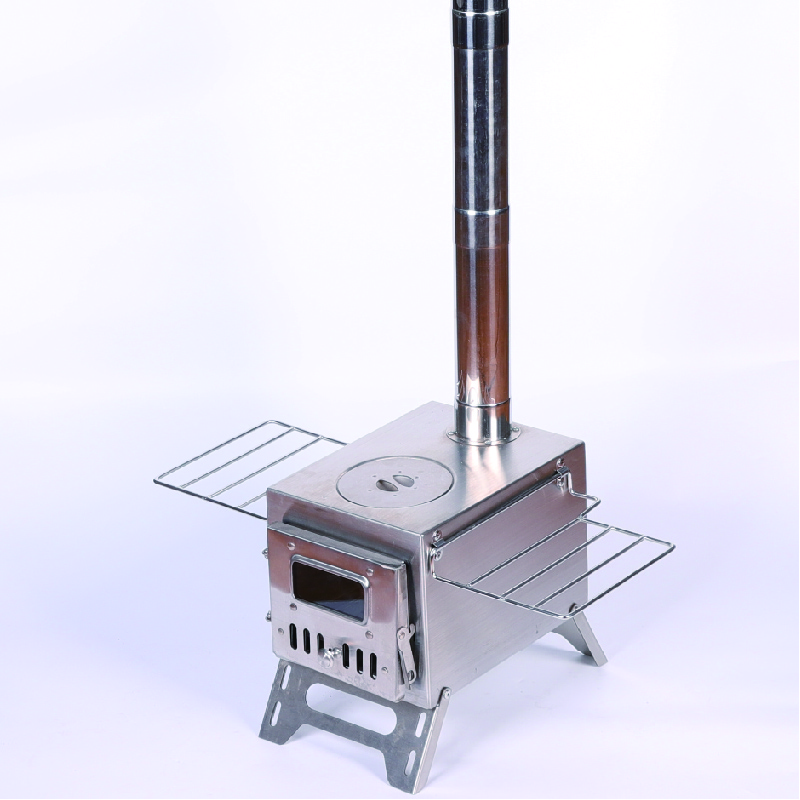
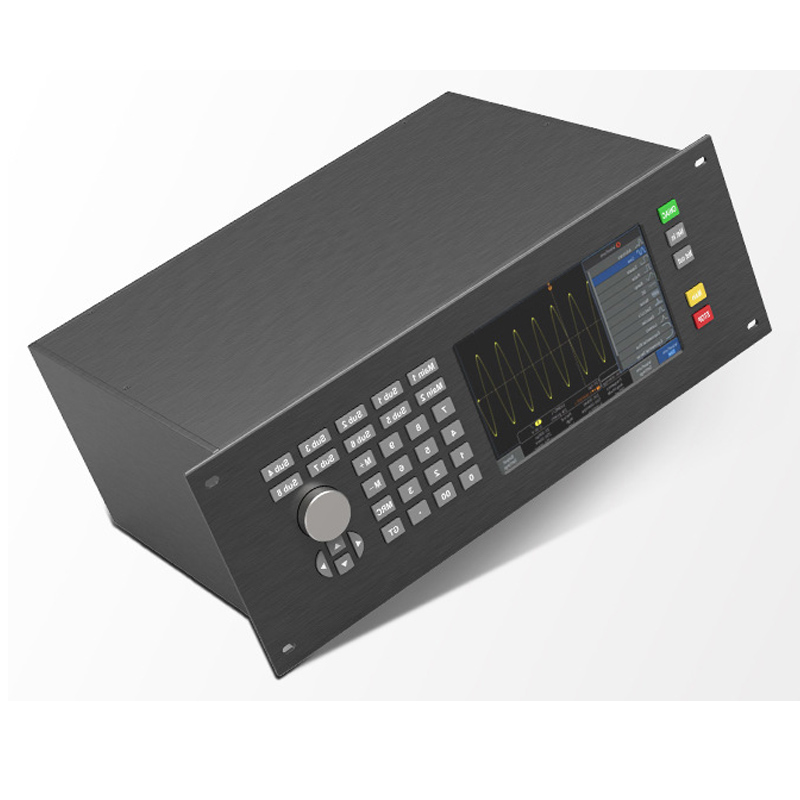
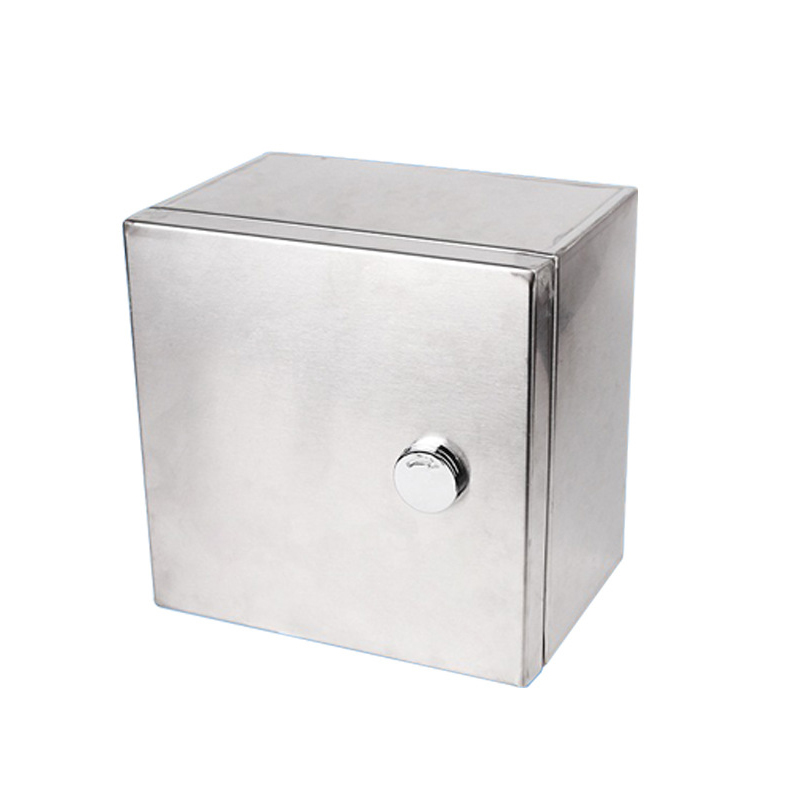
The rapid expansion of artificial intelligence infrastructure is creating another important market opportunity. New AI data centers require thousands of server cabinets, cooling systems, electrical enclosures, and mounting brackets, all of which rely on high-quality Sheet Metal Parts and durable Stamped Metal Components.
Governments across Europe and North America continue investing in digital infrastructure, clean energy, and advanced manufacturing. These investments are driving steady demand for Precision Metal Stamping technology capable of producing complex parts with tight tolerances and excellent repeatability.
Compared with traditional machining, Precision Metal Stamping offers several important advantages.
First, Precision Metal Stamping significantly improves production efficiency. Progressive dies allow multiple forming operations to be completed in a single production cycle, reducing labor costs and increasing output.
Second, Precision Metal Stamping provides outstanding dimensional consistency. Every component is manufactured according to the same tooling, ensuring stable quality even during large-volume production.
Third, Precision Metal Stamping reduces raw material waste, helping manufacturers lower production costs while supporting sustainability objectives.
Because of these advantages, many international buyers are replacing conventional machining with Precision Metal Stamping for medium- and high-volume production projects.
Material selection is another important factor influencing purchasing decisions. Today’s Metal Stamping Parts are commonly manufactured from stainless steel, carbon steel, aluminum, copper, and brass.
Stainless steel Metal Stamping Parts provide excellent corrosion resistance for outdoor equipment and renewable energy applications.
Aluminum Metal Stamping Parts offer lightweight performance for electric vehicles, aerospace components, and portable electronic devices.
Copper Stamped Metal Components are widely used in electrical systems because of their outstanding conductivity.
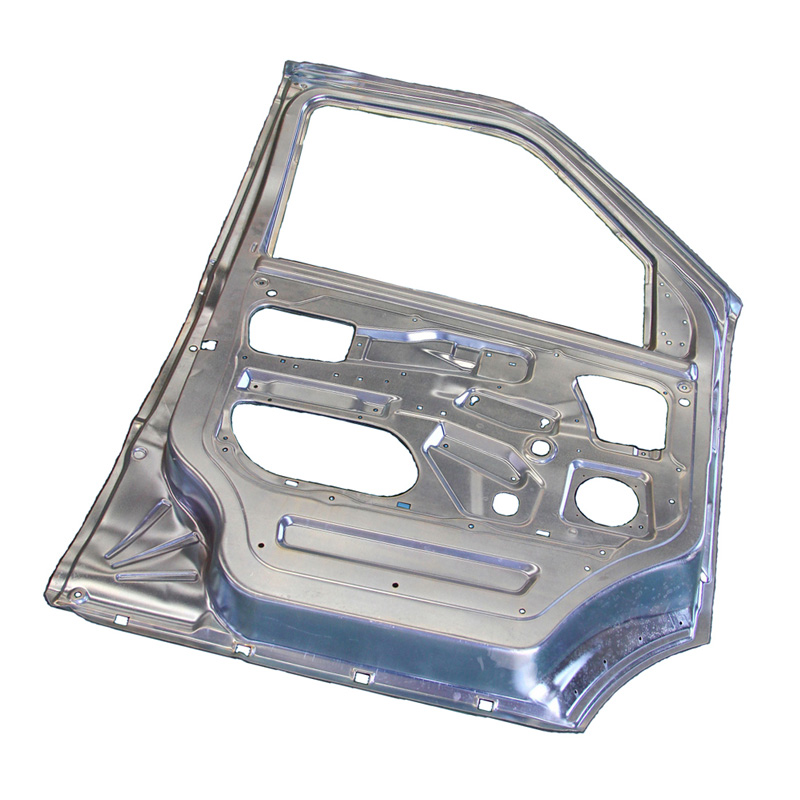
High-strength steel Stamped Metal Components remain the preferred choice for heavy-duty industrial equipment and automotive structural applications.
International buyers also expect suppliers to support secondary manufacturing processes. Professional Custom Metal Stamping manufacturers typically provide laser cutting, CNC machining, tapping, welding, bending, polishing, powder coating, zinc plating, anodizing, and assembly services to deliver complete finished products.
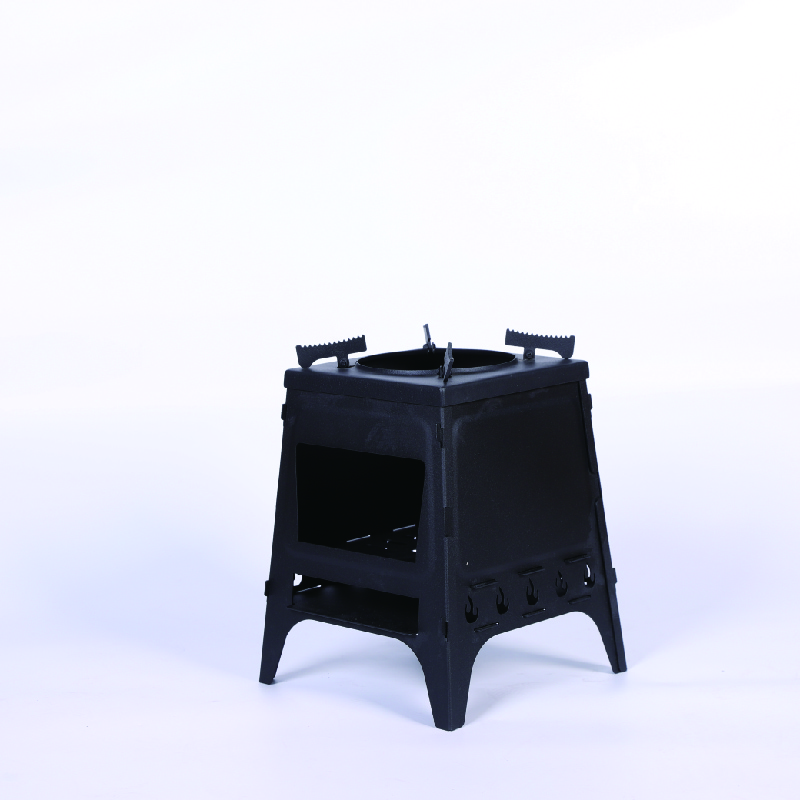
Another growing trend is the increasing complexity of Sheet Metal Parts. As industrial products become smaller, lighter, and more integrated, manufacturers require Sheet Metal Parts with tighter tolerances, more complex geometries, and improved surface finishes.
Advanced simulation software and precision tooling technology allow modern factories to manufacture complex Sheet Metal Parts while maintaining consistent quality across large production volumes.
Automation is further improving the quality of Stamped Metal Components. Robotic handling systems, automatic feeding equipment, vision inspection systems, and intelligent production monitoring reduce human error and improve manufacturing efficiency.
These technological improvements help ensure that every batch of Stamped Metal Components meets demanding international quality standards.
Environmental responsibility is also becoming increasingly important. Modern Metal Stamping Parts manufacturers are investing in energy-efficient presses, recyclable materials, environmentally friendly surface treatments, and optimized production processes that reduce waste without compromising product quality.
As electric vehicles, AI infrastructure, renewable energy, robotics, and industrial automation continue expanding worldwide, demand for Metal Stamping Parts, Precision Metal Stamping, Custom Metal Stamping, Sheet Metal Parts, and Stamped Metal Components is expected to grow steadily over the next decade.
For international buyers, selecting a manufacturer with advanced engineering capabilities, precision tooling expertise, and comprehensive production experience ensures long-term product reliability and consistent manufacturing quality.
Companies specializing in Metal Stamping Parts, Precision Metal Stamping, Custom Metal Stamping, Sheet Metal Parts, and Stamped Metal Components will continue playing a critical role in supporting the next generation of global industrial innovation.
