
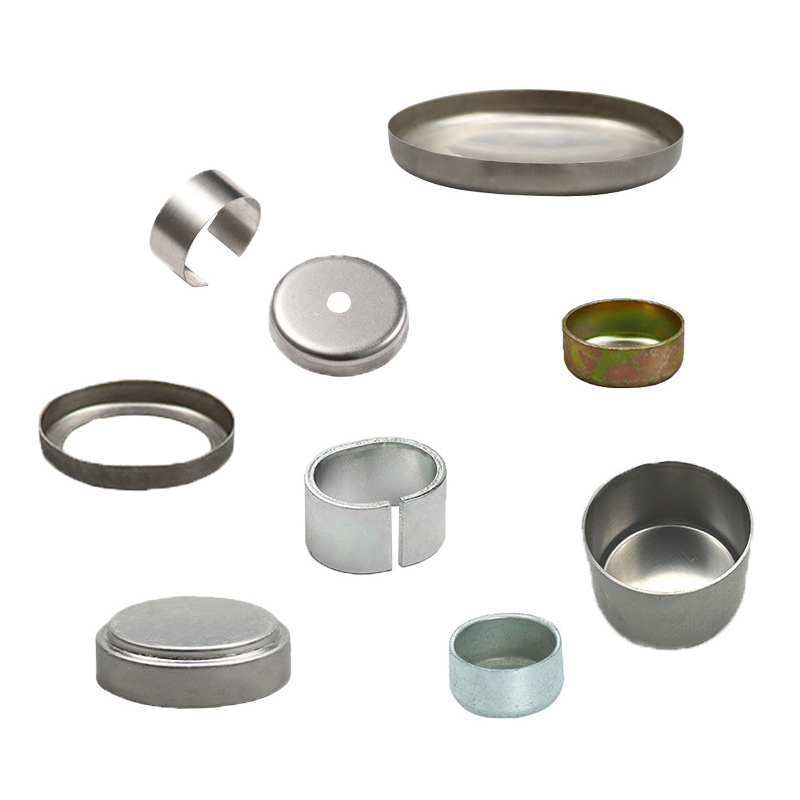
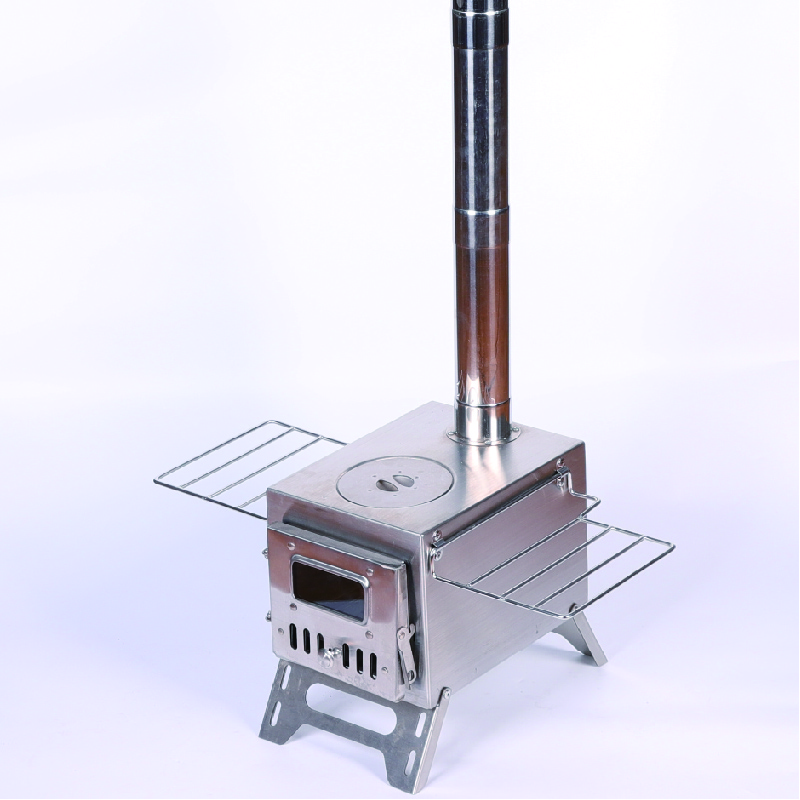
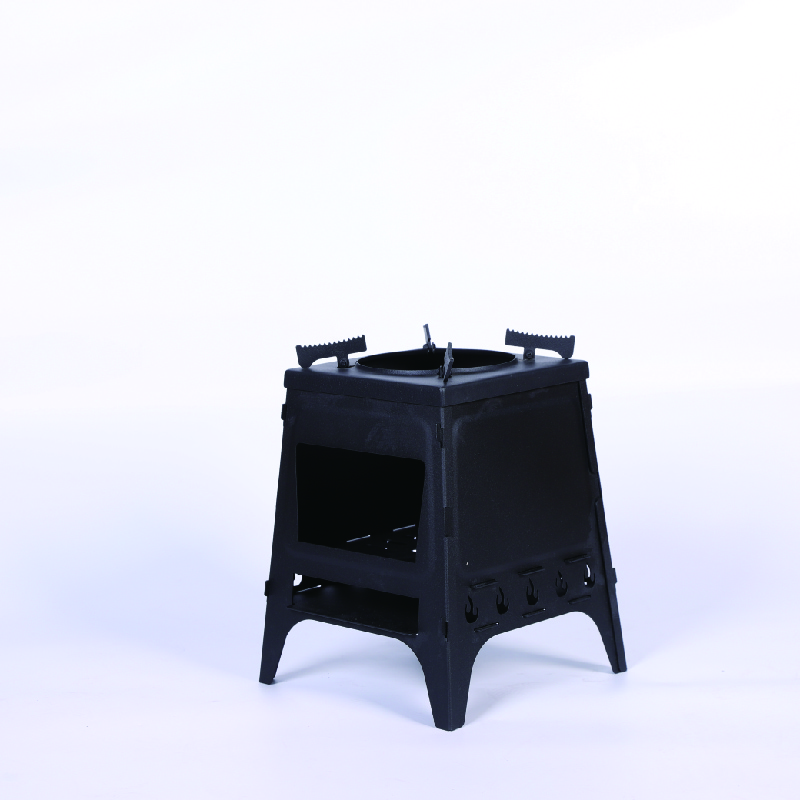
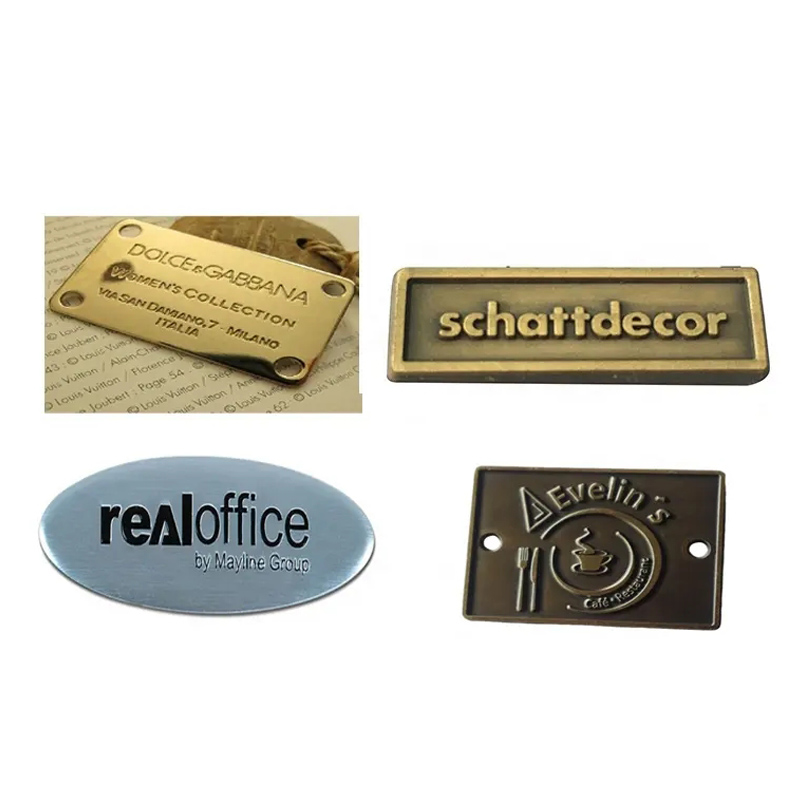
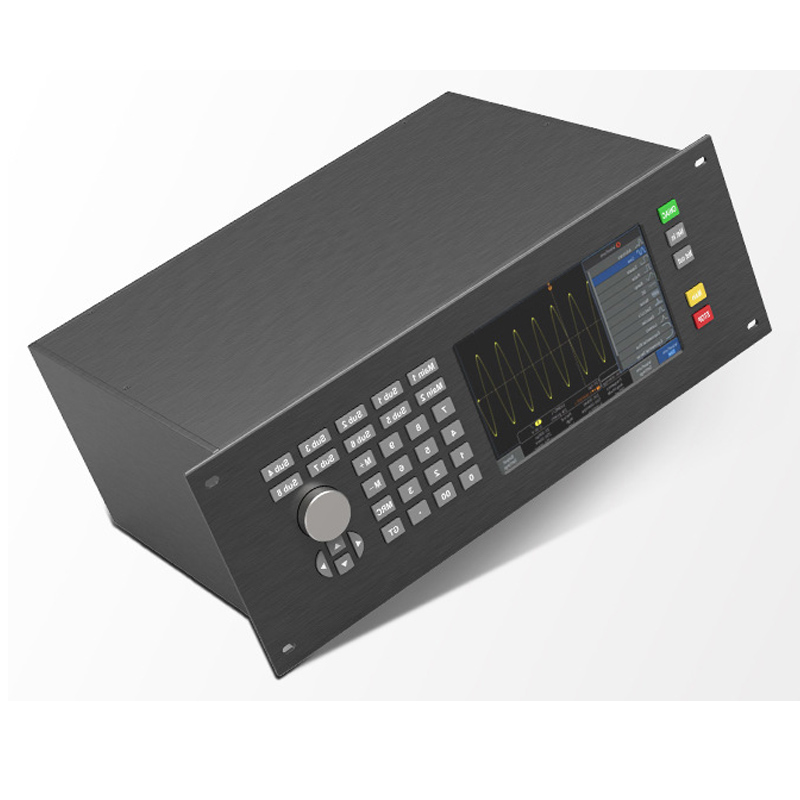
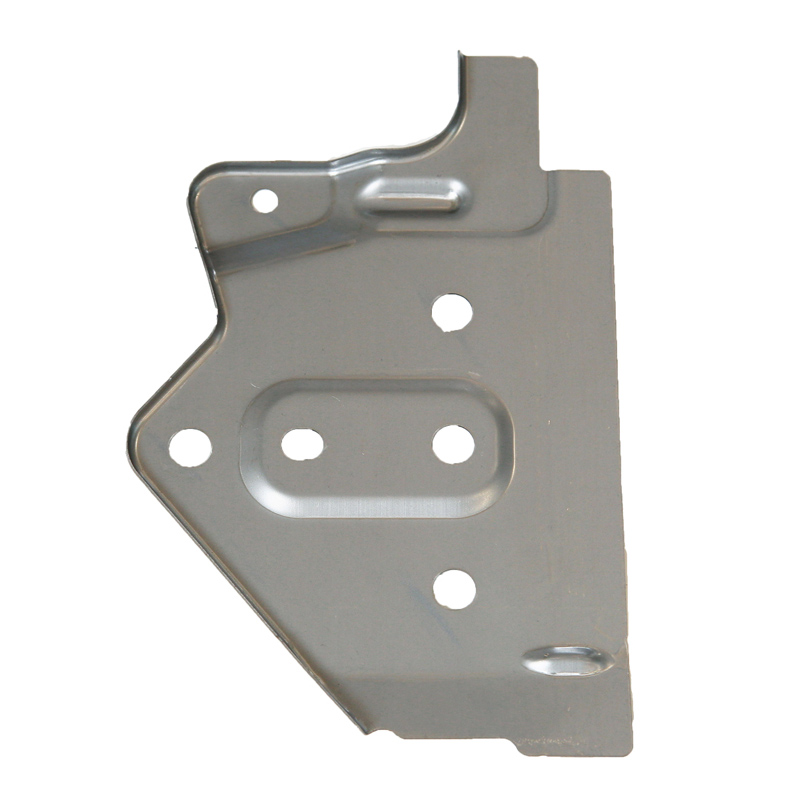
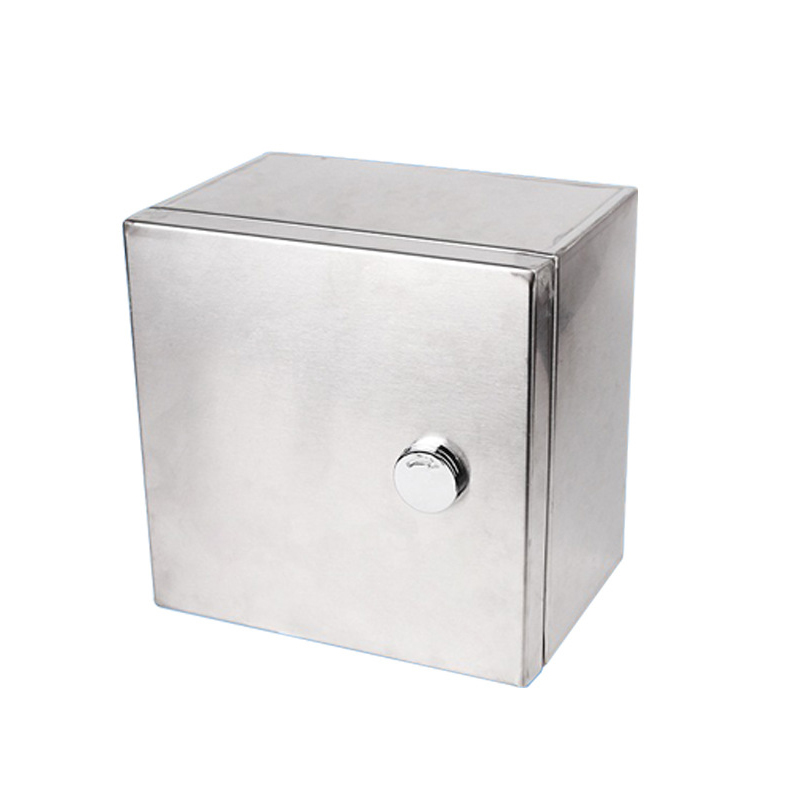
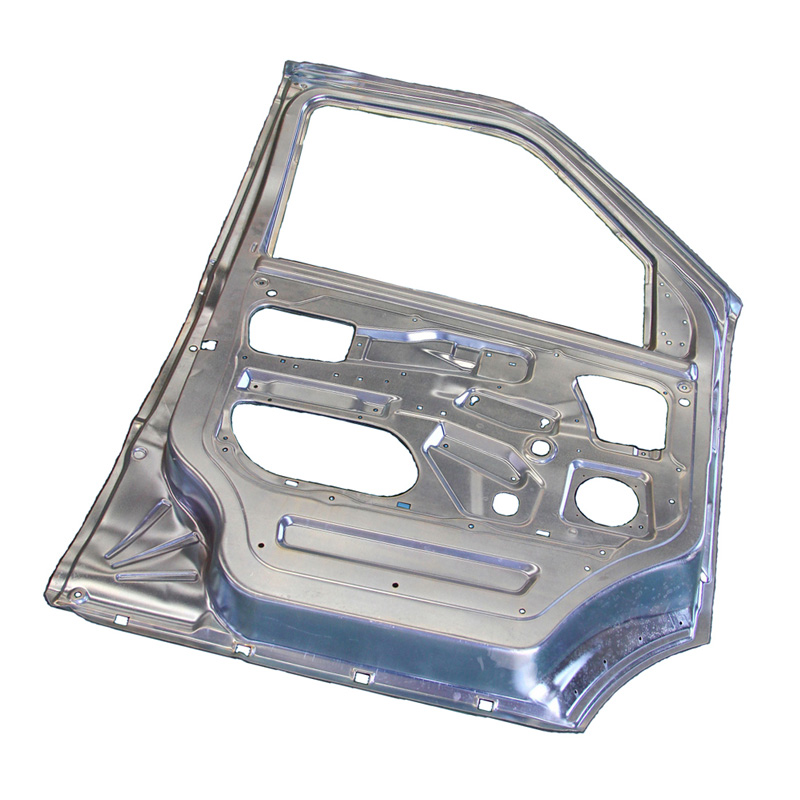
The manufacturing industry is experiencing a profound transformation driven by automation, artificial intelligence, and digital production technologies. While much attention has been focused on robotics and software, one essential element often receives less recognition: Metal Stamping Parts. These precision-engineered components form the structural foundation of countless industrial products and play a vital role in improving production efficiency, equipment reliability, and manufacturing scalability.
According to recent industry forecasts, global investment in factory automation will continue to grow throughout 2026 as manufacturers seek higher productivity and greater resilience against labor shortages and economic uncertainty. Every automated production line depends on high-precision Metal Stamping Parts, including brackets, mounting systems, structural frames, electrical enclosures, connectors, and customized mechanical assemblies. Their dimensional accuracy directly influences machine performance and long-term operational stability.
This trend is reshaping procurement priorities worldwide. Instead of focusing exclusively on price, purchasing managers are evaluating suppliers based on engineering capability, process control, quality consistency, and risk management. A dependable Supply Chain has become a strategic requirement rather than a logistical consideration. Manufacturers capable of delivering consistent quality and stable production schedules are increasingly viewed as long-term business partners.
Another significant industry development is the growing adoption of collaborative engineering through OEM Manufacturing. Product development teams now involve manufacturing partners much earlier in the design process. By integrating design-for-manufacturing (DFM) principles, suppliers can recommend optimized material selection, improved stamping geometry, simplified assembly structures, and tooling enhancements before production begins. This collaborative approach shortens development cycles while improving overall product performance.
Equally important is the industry’s transition toward Green Manufacturing. Environmental regulations in Europe, combined with sustainability commitments from multinational corporations, continue to reshape purchasing decisions. Manufacturers are expected not only to deliver high-quality Metal Stamping Parts, but also to demonstrate responsible production practices. Investments in energy-efficient stamping presses, digital energy management, recyclable materials, and reduced process waste have become indicators of long-term manufacturing capability rather than optional environmental initiatives.
Cost competitiveness remains a central challenge. However, today’s definition of Cost Efficiency extends well beyond lower production costs. Procurement teams increasingly evaluate lifetime value, considering production reliability, defect rates, tooling durability, inventory optimization, and technical support. High-performance Metal Stamping Parts contribute to Cost Efficiency by reducing equipment downtime, minimizing maintenance requirements, and improving assembly precision throughout the product lifecycle.
The rapid expansion of electric vehicles, industrial robotics, renewable energy systems, intelligent logistics equipment, and smart infrastructure continues to create strong demand for advanced metal components. These industries require manufacturers capable of integrating OEM Manufacturing, maintaining a resilient Supply Chain, implementing Green Manufacturing, and delivering measurable Cost Efficiency improvements.
Looking toward the future, the competitive advantage of Metal Stamping Parts manufacturers will increasingly depend on engineering expertise rather than production capacity alone. Companies investing in intelligent manufacturing systems, digital quality management, sustainable operations, and customer-focused OEM Manufacturing services will become indispensable partners in the next generation of global industrial development.
