
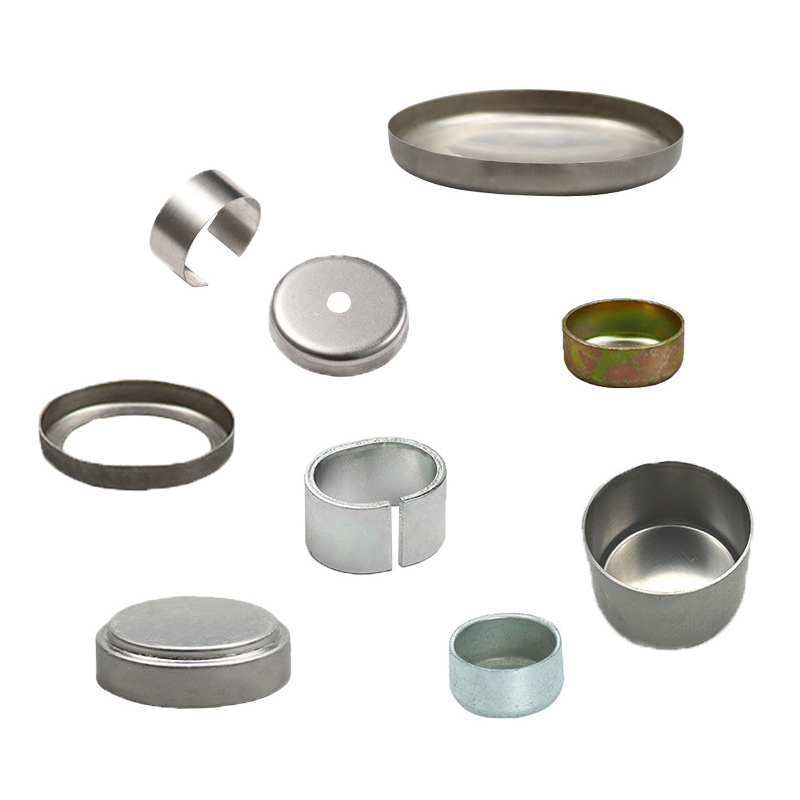
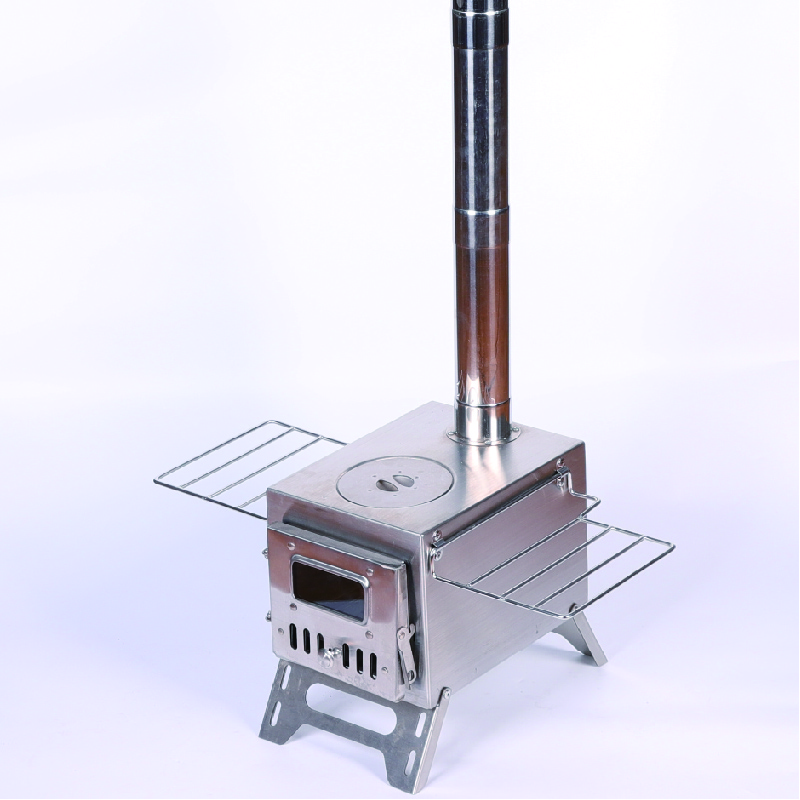
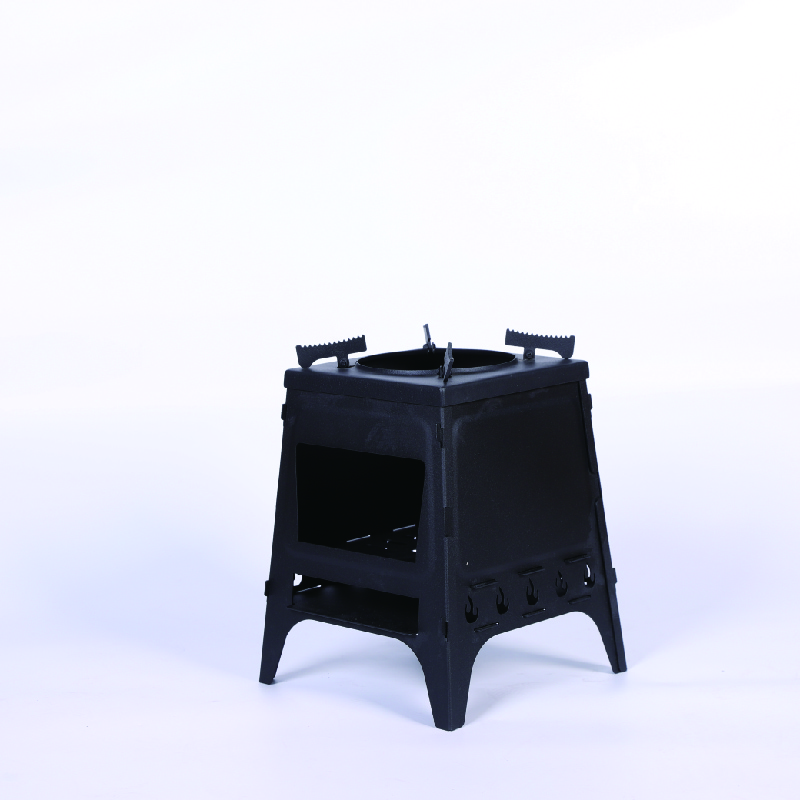
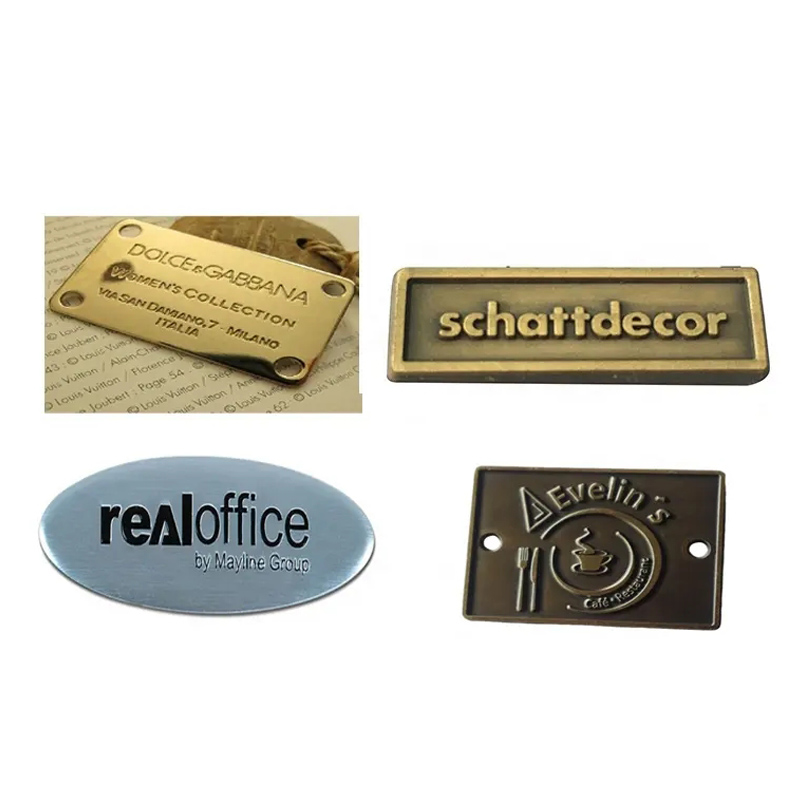
As manufacturing industries continue to evolve in 2026, buyers across Europe and North America are paying closer attention to component quality, production efficiency, and long-term product reliability. Whether serving the automotive industry, renewable energy projects, industrial automation, or electrical equipment manufacturers, Metal Stamping has become one of the most important manufacturing processes for producing consistent and cost-effective metal components.
Recent changes in global manufacturing policies, increased investment in clean energy, and the acceleration of industrial automation have all contributed to rising demand for precision-engineered metal components. Rather than focusing only on price, international buyers are increasingly evaluating manufacturing capability, dimensional accuracy, tooling expertise, and production stability. This shift has made Precision Stamping one of the fastest-growing solutions in modern manufacturing.
Metal Stamping Supports the Next Generation of Manufacturing
Modern industries require components that combine strength, lightweight design, and repeatable accuracy. Metal Stamping provides these advantages by producing large quantities of identical parts while maintaining tight tolerances.
Automotive manufacturers continue to increase the use of lightweight materials to improve energy efficiency and reduce emissions. At the same time, renewable energy systems require durable metal brackets, connectors, structural supports, and electrical components capable of performing in demanding environments. Industrial automation equipment also depends on highly accurate stamped parts to ensure reliable machine performance.
Because Metal Stamping offers excellent production efficiency and consistent quality, it has become the preferred manufacturing method for numerous industries. Buyers looking for long-term manufacturing partners often prioritize factories with advanced stamping capabilities and proven tooling experience.
Precision Stamping Delivers Superior Accuracy
One of the primary reasons global manufacturers choose Precision Stamping is the ability to achieve extremely consistent dimensions across large production volumes.
Modern Precision Stamping utilizes advanced dies, automated presses, and strict quality inspection procedures to ensure every component meets exact engineering requirements. For industries such as electronics, automotive systems, industrial machinery, and electrical equipment, even the smallest dimensional variation can affect final assembly performance.
As tolerance requirements become increasingly demanding, Precision Stamping continues to provide manufacturers with reliable production solutions. High repeatability reduces assembly errors, minimizes waste, and improves product performance throughout the manufacturing process.
International buyers increasingly recognize that investing in high-quality Precision Stamping helps reduce overall manufacturing costs while improving product reliability.
Custom Metal Parts Meet Diverse Industry Requirements
Every industry requires unique component designs. Standard parts often cannot satisfy specialized applications, making Custom Metal Parts an essential solution for manufacturers worldwide.
Today’s Custom Metal Parts are used in electric vehicles, battery systems, construction equipment, agricultural machinery, telecommunications infrastructure, consumer appliances, and industrial automation systems.
Modern tooling technology enables manufacturers to produce Custom Metal Parts with complex geometries while maintaining excellent dimensional consistency. Whether manufacturing simple brackets or highly engineered structural components, customization allows buyers to optimize product performance and simplify assembly.
As new products enter the market more rapidly than ever before, demand for flexible manufacturing of Custom Metal Parts continues to increase across Europe and North America.
Sheet Metal Stamping Improves Manufacturing Efficiency
Among various production technologies, Sheet Metal Stamping remains one of the most efficient methods for transforming flat metal sheets into functional components.
Sheet Metal Stamping supports a wide variety of materials, including stainless steel, carbon steel, aluminum, copper, and galvanized steel. This flexibility allows manufacturers to meet diverse engineering requirements while maintaining high production efficiency.
Many industries rely on Sheet Metal Stamping because it offers excellent repeatability, reduced material waste, and fast production cycles. These advantages are especially valuable for companies seeking stable production during periods of increasing global manufacturing demand.
As environmental regulations continue to encourage resource efficiency, manufacturers are also optimizing Sheet Metal Stamping processes to reduce scrap material and improve overall production sustainability.
Progressive Die Stamping Drives High-Volume Production
High-volume manufacturing requires speed without sacrificing precision. Progressive Die Stamping has become one of the most effective production methods for achieving this balance.
Using multiple forming stations within a single die, Progressive Die Stamping performs punching, bending, forming, and cutting operations in one continuous process. This significantly increases production efficiency while maintaining exceptional consistency.
Industries producing millions of components annually rely on Progressive Die Stamping to support continuous manufacturing. Automotive safety components, electrical terminals, appliance parts, and industrial hardware all benefit from this highly efficient production technology.
As labor costs continue to rise globally, automated Progressive Die Stamping provides manufacturers with improved productivity and greater production stability.
Global Market Trends Are Increasing Demand
Current economic and political developments are reshaping manufacturing priorities worldwide. Governments throughout Europe and North America continue to invest heavily in clean energy infrastructure, advanced manufacturing, and domestic industrial modernization.
These investments are accelerating demand for precision-engineered metal components used in electric vehicles, charging infrastructure, energy storage systems, industrial robotics, and smart manufacturing equipment.
At the same time, manufacturers are seeking production partners capable of maintaining stable quality while adapting to changing market requirements. This trend has significantly increased interest in factories specializing in Metal Stamping, Precision Stamping, Custom Metal Parts, Sheet Metal Stamping, and Progressive Die Stamping.
Rather than selecting suppliers solely based on cost, buyers increasingly evaluate engineering support, tooling expertise, quality management systems, production automation, and continuous improvement capabilities.
Technology Continues to Transform Metal Stamping
Digital manufacturing technologies are further improving the performance of modern Metal Stamping operations.
Advanced simulation software allows engineers to optimize die design before production begins, reducing development time and improving first-pass success rates.
Automated inspection systems enhance Precision Stamping by continuously monitoring dimensional accuracy throughout production.
Smart manufacturing systems improve production scheduling and machine utilization, while predictive maintenance reduces downtime for Progressive Die Stamping equipment.
These technological advances help manufacturers deliver higher-quality Custom Metal Parts with shorter lead times and greater production consistency.
Sustainability Is Becoming a Competitive Advantage
Environmental responsibility has become an important purchasing consideration for international buyers.
Modern Sheet Metal Stamping operations increasingly focus on efficient material utilization, energy-saving equipment, recyclable materials, and waste reduction strategies.
Many manufacturers are also investing in cleaner production technologies that reduce emissions while maintaining high production efficiency.
For buyers serving European markets, sustainable manufacturing practices increasingly support compliance with evolving environmental expectations and corporate ESG initiatives.
