
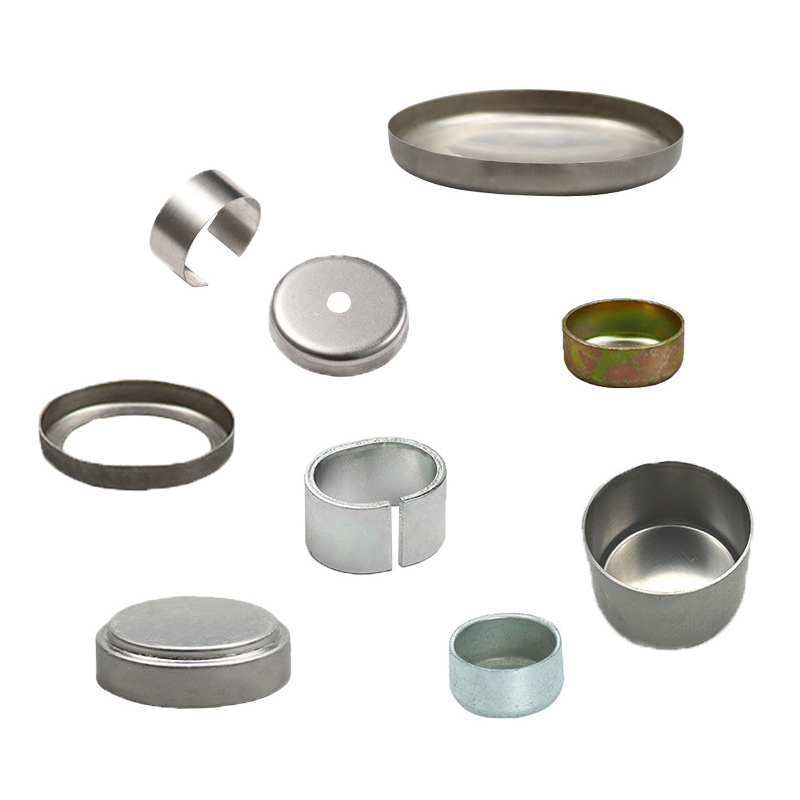
The global manufacturing industry is entering one of its most transformative periods in decades. Geopolitical uncertainty, shifting tariff policies, sustainability regulations, and the rapid adoption of automation are forcing manufacturers to rethink how they design products and build resilient production networks. Against this backdrop, Metal Stamping Parts are no longer viewed as simple industrial components—they have become strategic assets that directly influence product quality, manufacturing efficiency, and long-term competitiveness.
For procurement teams across Europe, the United States, and Southeast Asia, supplier selection has evolved dramatically. Purchasing managers are no longer comparing quotations based only on unit price. Today’s sourcing decisions evaluate manufacturing capability, engineering support, production consistency, quality systems, delivery performance, and environmental responsibility. Reliable manufacturers of Metal Stamping Parts are therefore becoming long-term partners rather than transactional vendors.
One of the strongest market drivers in 2026 is the continued expansion of electric mobility and renewable energy infrastructure. Electric vehicle battery packs, charging stations, photovoltaic mounting systems, industrial energy storage cabinets, and intelligent automation equipment all require highly precise Metal Stamping Parts manufactured with strict dimensional tolerances. Even minor deviations can affect assembly efficiency, product reliability, and safety performance.
At the same time, global supply networks continue to adapt to evolving trade policies. Many multinational companies are implementing “China + 1” sourcing strategies while maintaining partnerships with experienced manufacturers capable of ensuring stable production. Rather than abandoning established suppliers, buyers are prioritizing factories with mature quality management systems, flexible production scheduling, and comprehensive engineering capabilities. This approach strengthens the overall Supply Chain while reducing procurement risks.
Another defining trend is the integration of digital manufacturing technologies. Modern stamping facilities increasingly utilize servo presses, automated material handling, robotic welding, laser inspection, and Manufacturing Execution Systems (MES). These technologies improve process stability, shorten lead times, and significantly enhance Cost Efficiency by reducing material waste and minimizing human error.
Environmental responsibility has also become an essential purchasing criterion. European regulations and corporate ESG commitments continue to accelerate investment in Green Manufacturing. Manufacturers that optimize energy consumption, recycle production scrap, utilize environmentally friendly surface treatment processes, and continuously improve operational efficiency are becoming preferred suppliers for international OEM customers.
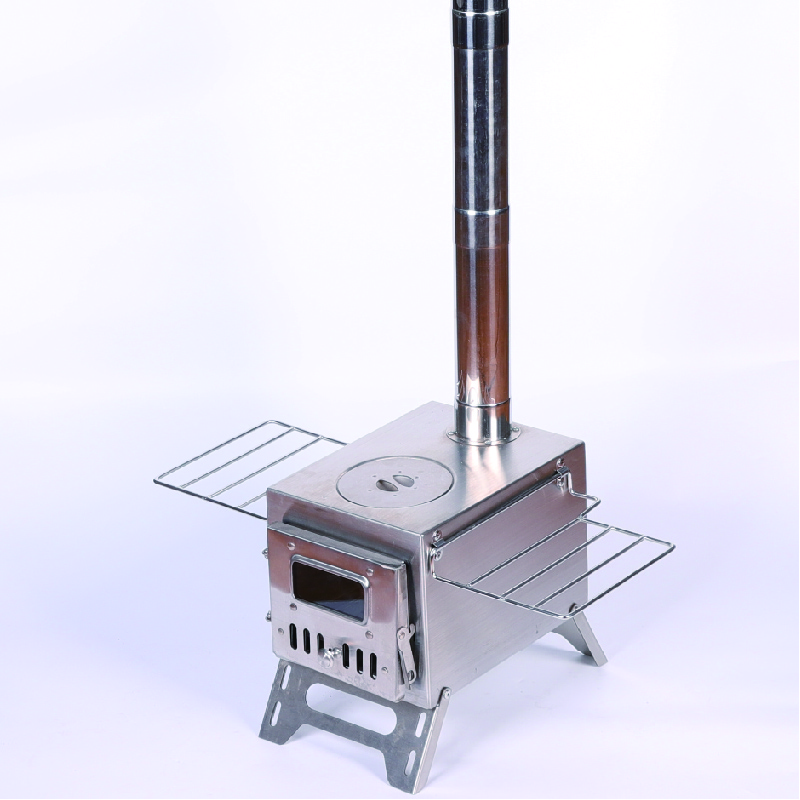
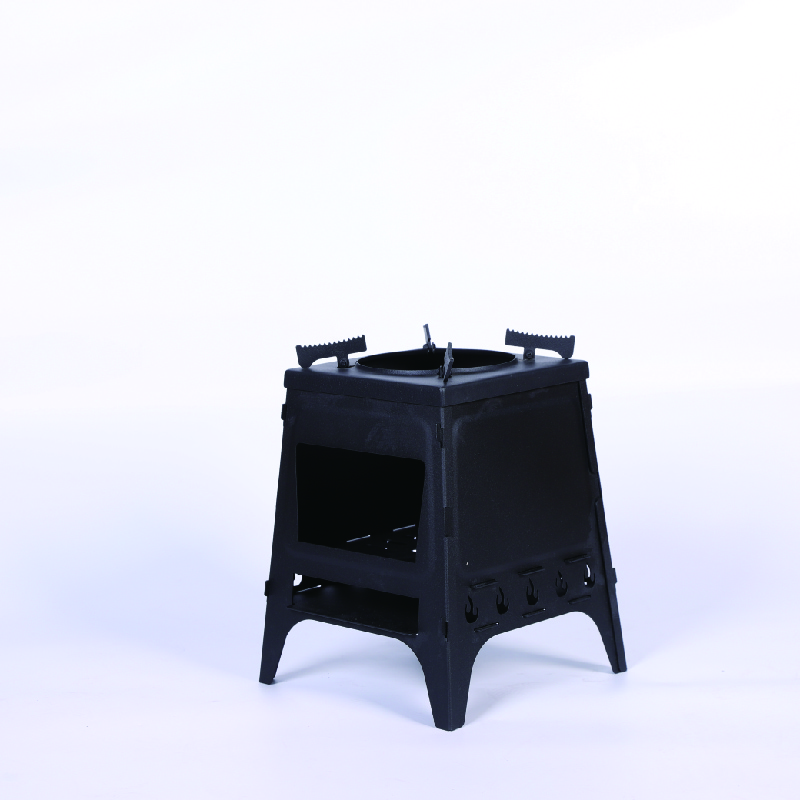
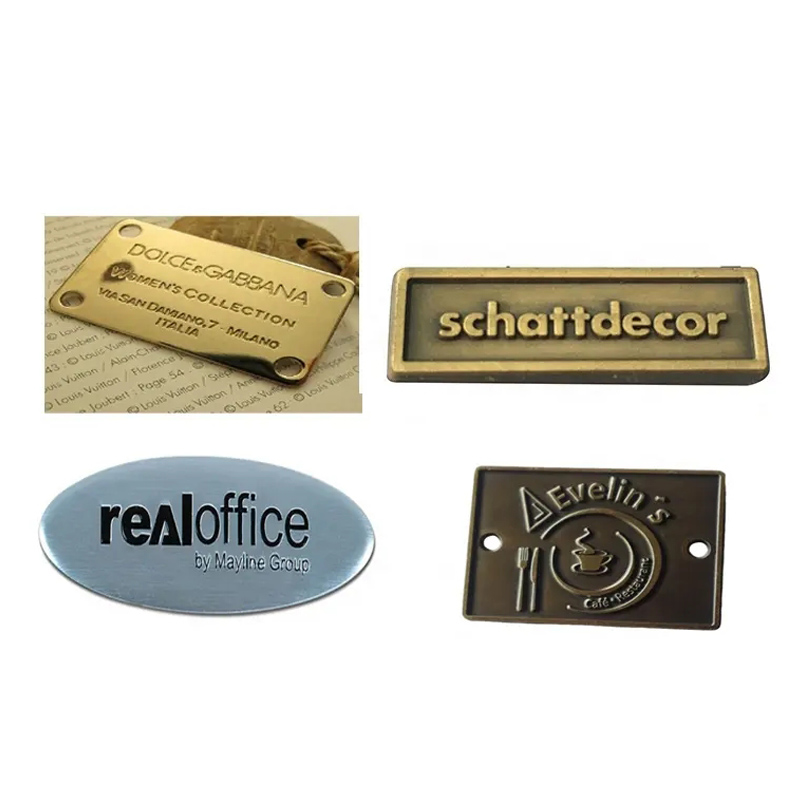
Meanwhile, OEM Manufacturing continues to create new opportunities across multiple industries. From industrial machinery and agricultural equipment to consumer electronics and outdoor products, customized Metal Stamping Parts enable manufacturers to differentiate products while shortening product development cycles. Close collaboration between engineering teams and manufacturing partners allows customers to optimize designs for manufacturability, reduce production costs, and improve overall product performance.
Looking ahead, the future of industrial manufacturing will depend on precision, sustainability, and collaboration. Companies capable of delivering advanced Metal Stamping Parts, supporting flexible OEM Manufacturing, improving Cost Efficiency, strengthening the global Supply Chain, and embracing Green Manufacturing will remain indispensable partners in an increasingly competitive marketplace.
