
The global transition toward renewable energy and intelligent manufacturing is creating unprecedented demand for precision-engineered metal products. Solar energy systems, battery storage equipment, electric vehicles, industrial automation, and smart infrastructure all require durable and reliable Sheet Metal Parts designed for long-term performance.
As international manufacturers continue upgrading their products, the quality of Sheet Metal Parts has become a critical factor influencing durability, safety, and manufacturing efficiency.
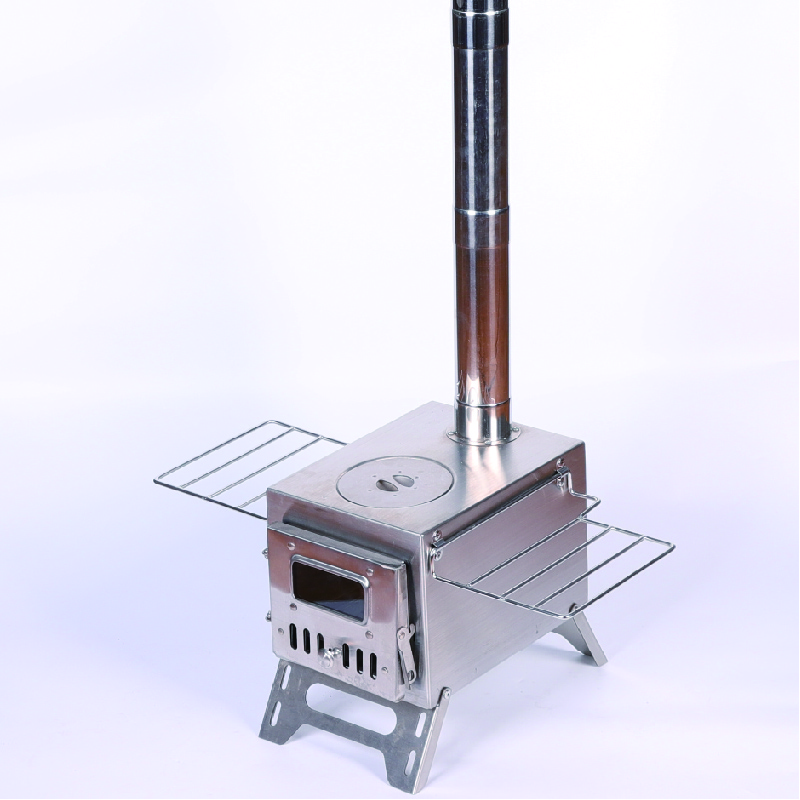
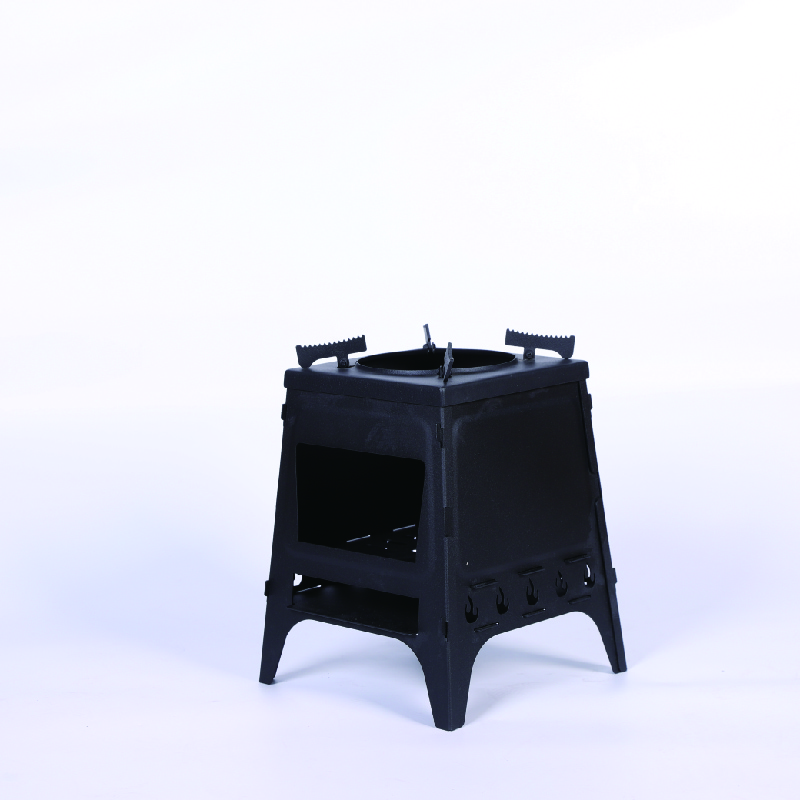
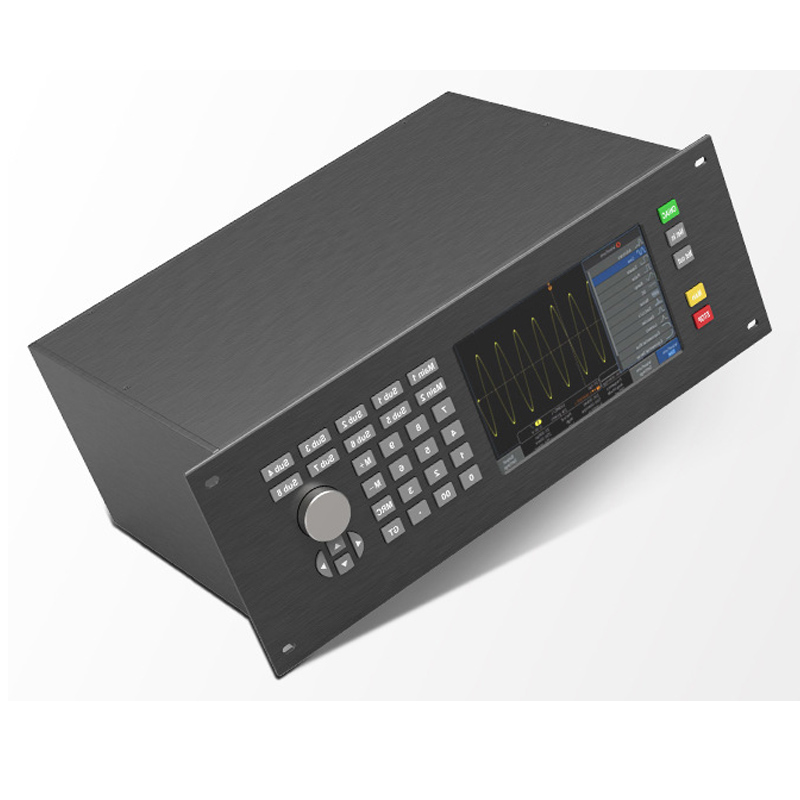
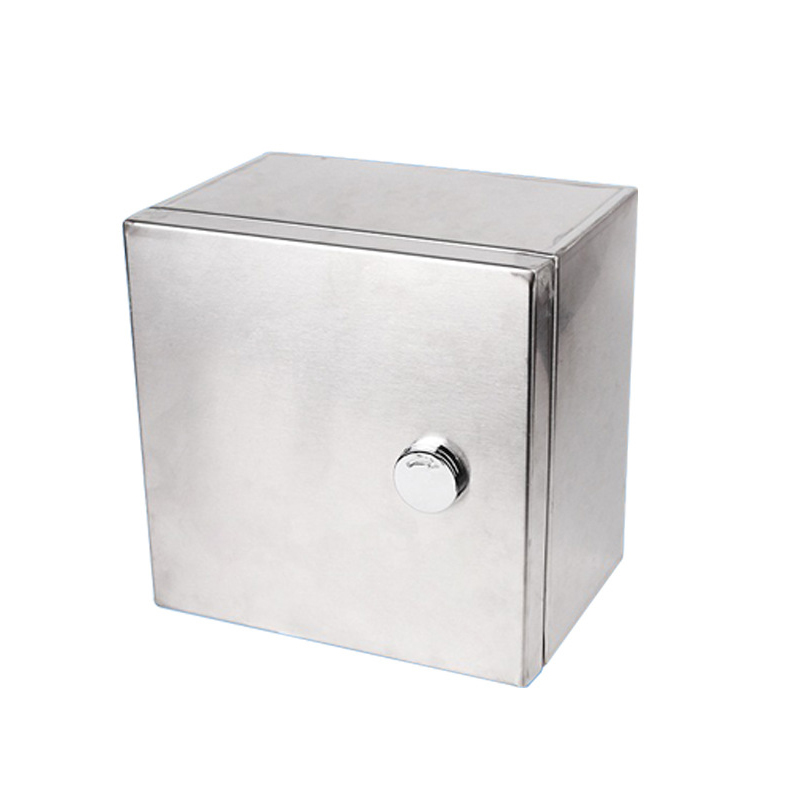
Modern Sheet Metal Parts are widely used in battery cabinets, electrical enclosures, mounting brackets, ventilation systems, charging stations, communication equipment, and industrial control cabinets. These products must withstand demanding operating environments while maintaining precise dimensional accuracy.
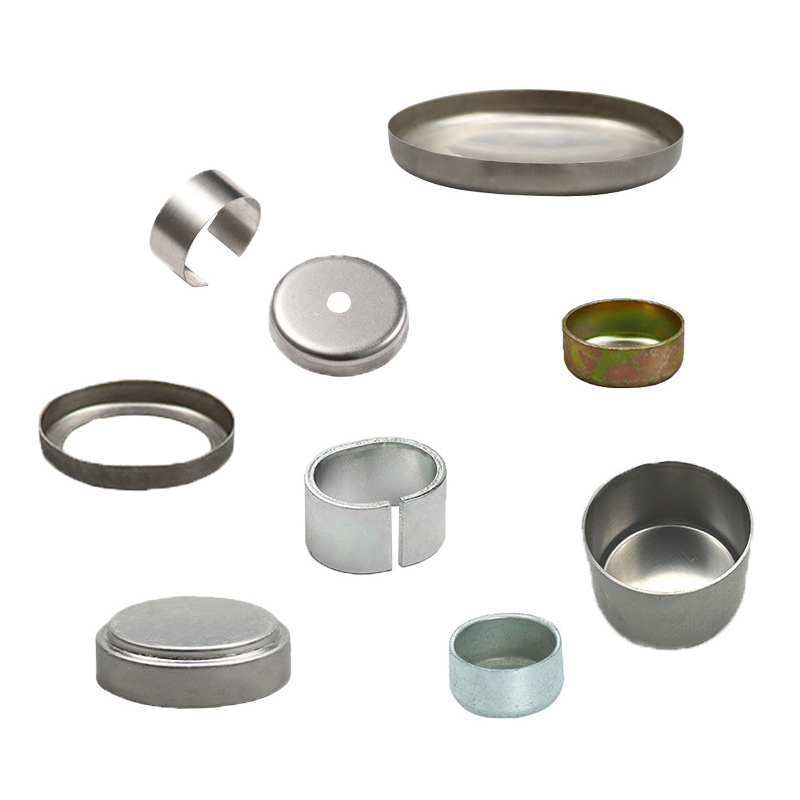
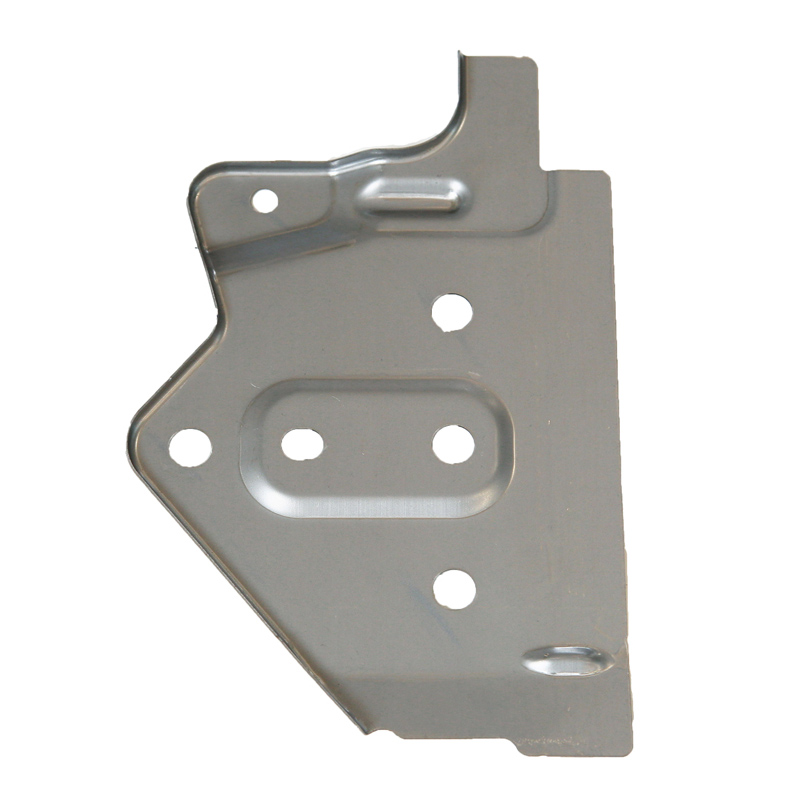
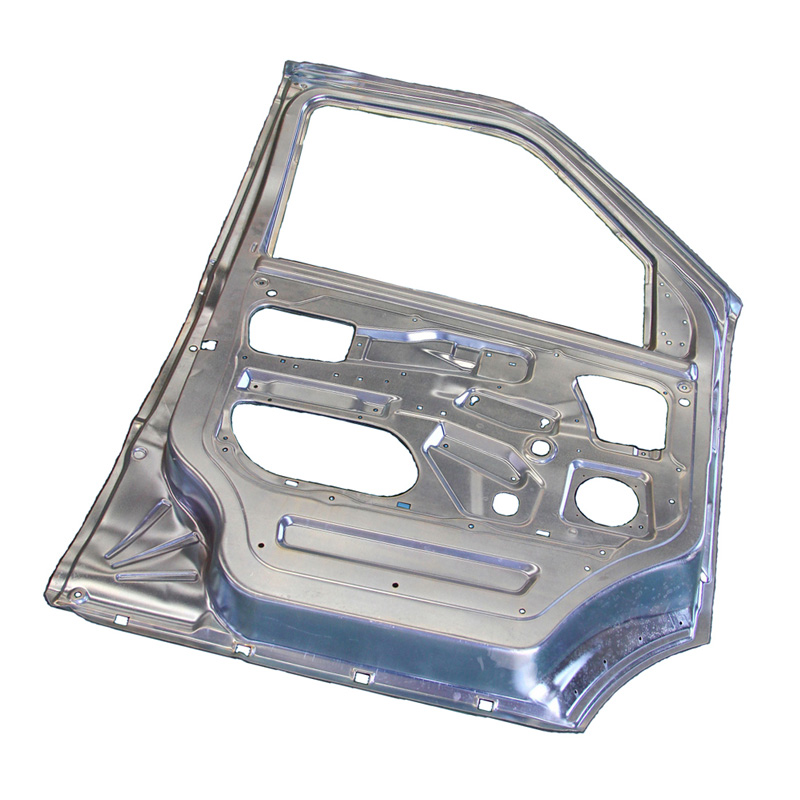
To achieve these requirements, manufacturers increasingly rely on Precision Metal Stamping technology. Compared with conventional fabrication methods, Precision Metal Stamping provides greater consistency, tighter tolerances, and significantly higher production efficiency.
Large renewable energy projects require thousands of Metal Stamping Parts for structural support, fastening systems, electrical protection, and equipment assembly. Every solar installation, wind turbine control system, and battery energy storage project depends on reliable Metal Stamping Parts manufactured to international quality standards.
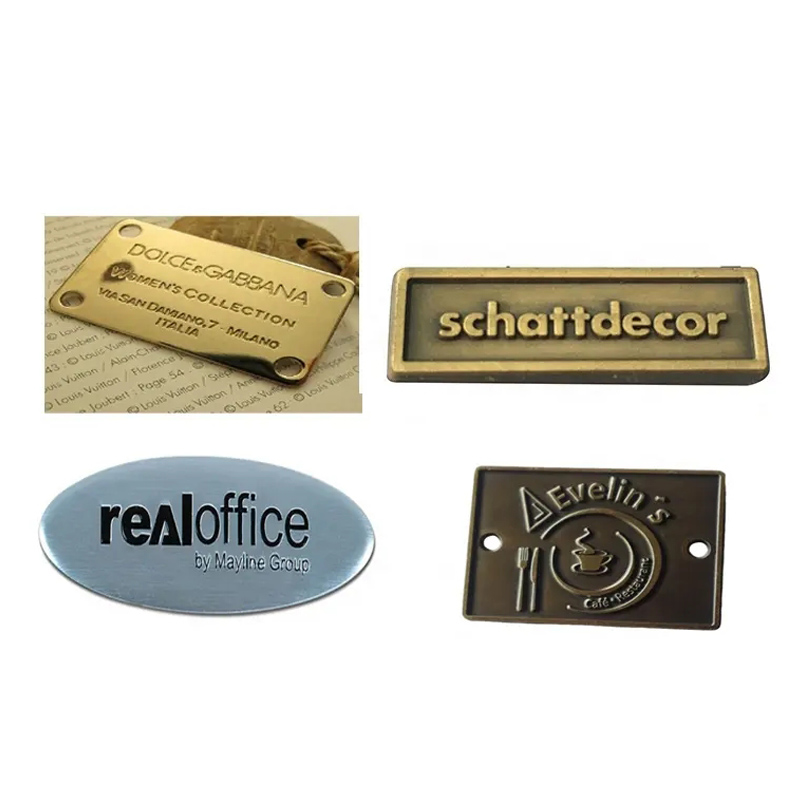
Product customization has also become increasingly important. Every customer has different technical drawings, installation requirements, and performance expectations. Professional Custom Metal Stamping enables manufacturers to produce highly specialized components that integrate perfectly into customer products.
Whether manufacturing aluminum brackets, stainless steel housings, or galvanized support structures, Custom Metal Stamping provides the flexibility required by today’s industrial market.
The demand for Stamped Metal Components is also increasing within telecommunications and AI infrastructure projects. Modern data centers require thousands of precision-engineered Stamped Metal Components for server racks, cable management systems, cooling equipment, electrical distribution panels, and protective housings.
Manufacturers investing in advanced Precision Metal Stamping technology can produce increasingly complex geometries while maintaining excellent repeatability and cost efficiency.
Surface finishing plays an important role in product performance as well. Many Metal Stamping Parts require powder coating, zinc plating, anodizing, electrophoretic coating, or passivation to improve corrosion resistance and extend service life.
Similarly, high-quality Sheet Metal Parts often undergo laser cutting, CNC machining, welding, tapping, or assembly after the stamping process to meet complete product specifications.
Material selection remains another important consideration. Stainless steel Stamped Metal Components are widely used in outdoor renewable energy projects because of their excellent corrosion resistance. Aluminum Sheet Metal Parts provide lightweight solutions for electric vehicles and aerospace applications, while carbon steel Metal Stamping Parts remain popular for heavy industrial equipment requiring high structural strength.
Automation continues improving manufacturing precision. Intelligent inspection systems, robotic handling equipment, and digital process monitoring help ensure every batch of Precision Metal Stamping products meets strict quality requirements.
As governments continue investing in clean energy, smart manufacturing, and industrial modernization, demand for Sheet Metal Parts, Metal Stamping Parts, Precision Metal Stamping, Custom Metal Stamping, and Stamped Metal Components is expected to remain strong throughout the coming years.
For international buyers, selecting an experienced manufacturing partner with advanced engineering expertise and precision production capabilities helps ensure consistent product quality, reliable performance, and long-term value in increasingly competitive global markets.
