
Global manufacturing is evolving rapidly as electric vehicles, industrial robotics, automation equipment, and intelligent machinery continue expanding across Europe and North America. Manufacturers are expected to deliver lighter, stronger, and more precise products while controlling production costs and improving efficiency.
These industry trends have significantly increased demand for Precision Metal Stamping, making it one of the most important manufacturing technologies for modern industrial applications.
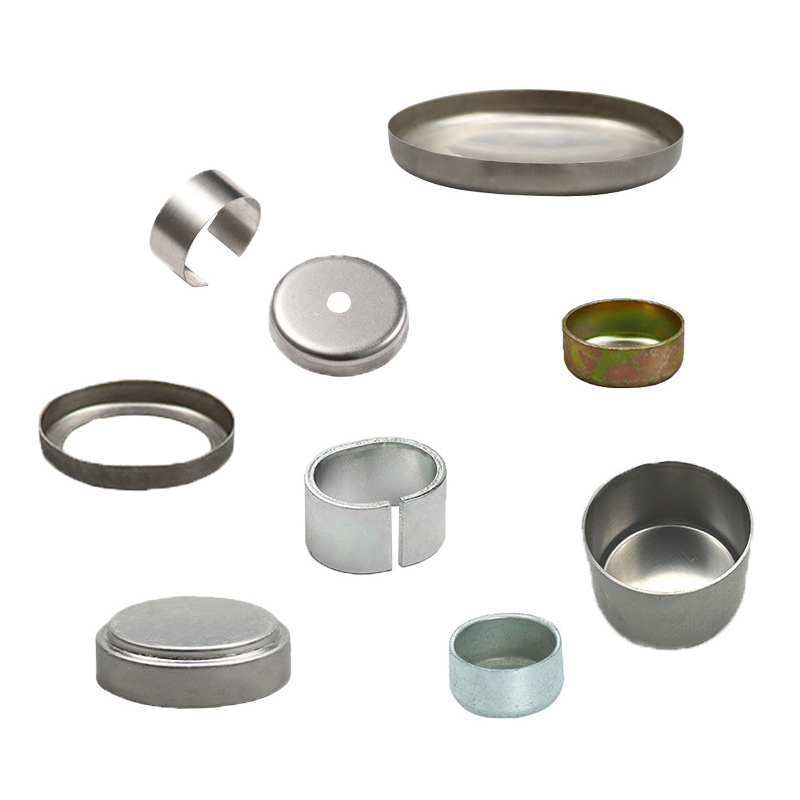
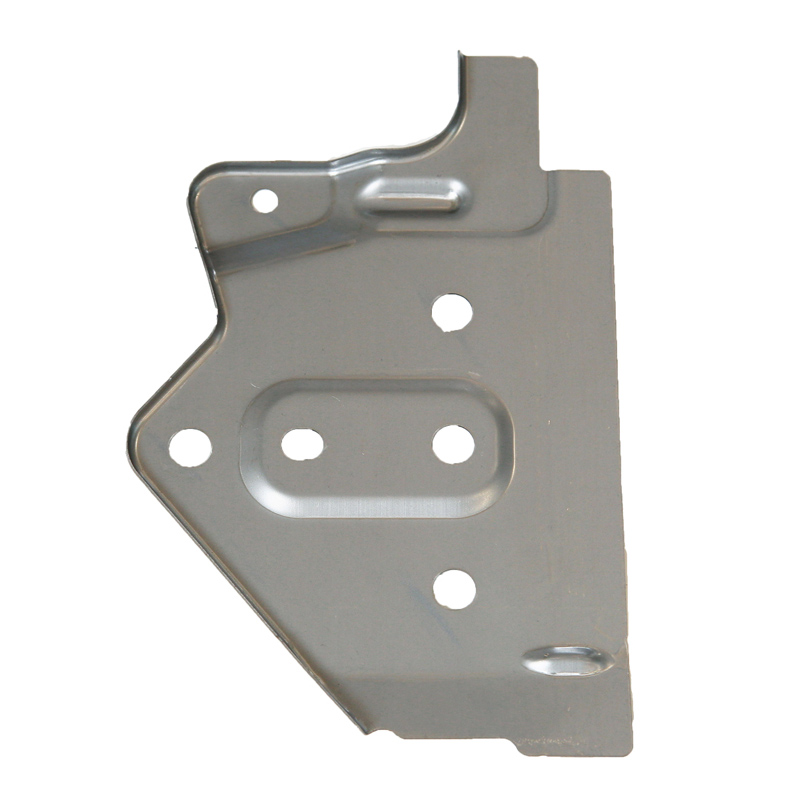
Unlike conventional machining, Precision Metal Stamping allows manufacturers to produce complex metal parts with exceptional dimensional accuracy and repeatability. For high-volume production, Precision Metal Stamping delivers lower unit costs, shorter production cycles, and more consistent quality.
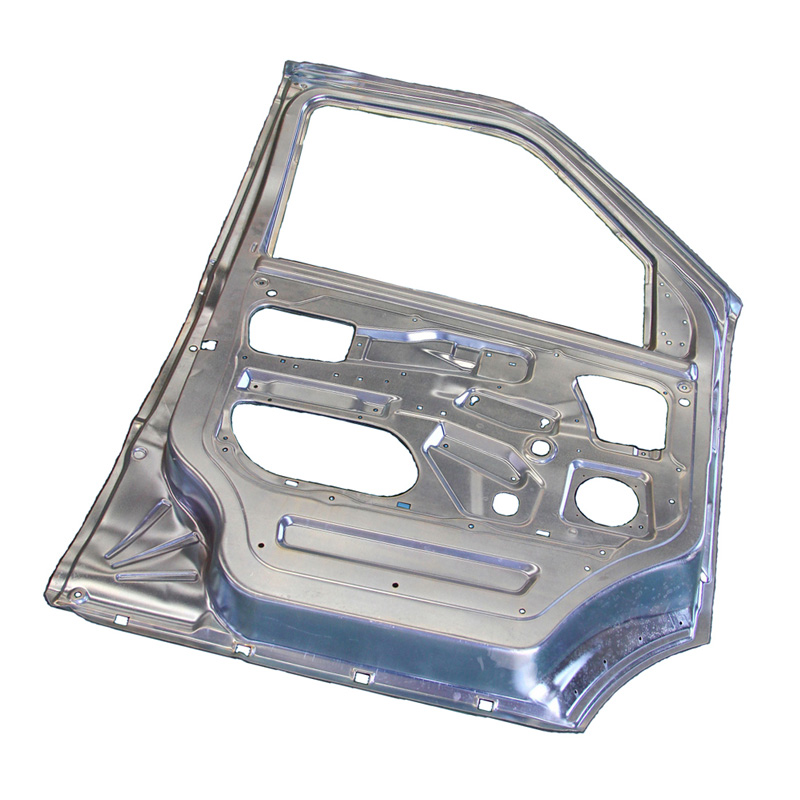
Today’s electric vehicles contain hundreds of Metal Stamping Parts used throughout battery packs, cooling systems, structural reinforcements, electrical brackets, motor assemblies, and charging equipment. As EV production continues growing worldwide, manufacturers require reliable Metal Stamping Parts that meet strict engineering standards.
Industrial robotics is another fast-growing sector creating demand for Stamped Metal Components. Robotic arms, automation systems, warehouse equipment, and intelligent production lines all require precision-engineered Stamped Metal Components capable of operating continuously under demanding industrial conditions.
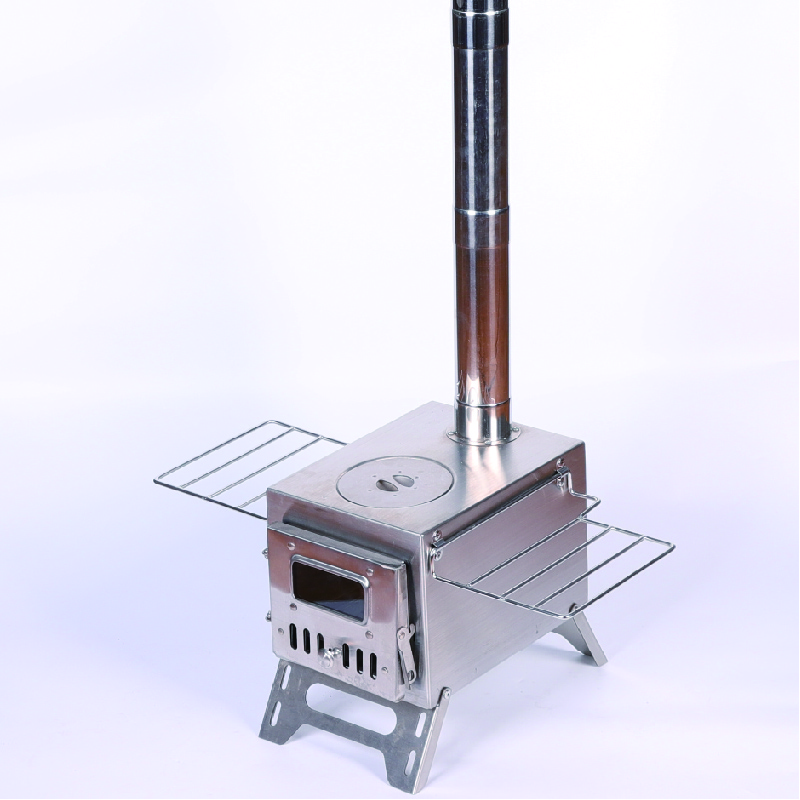
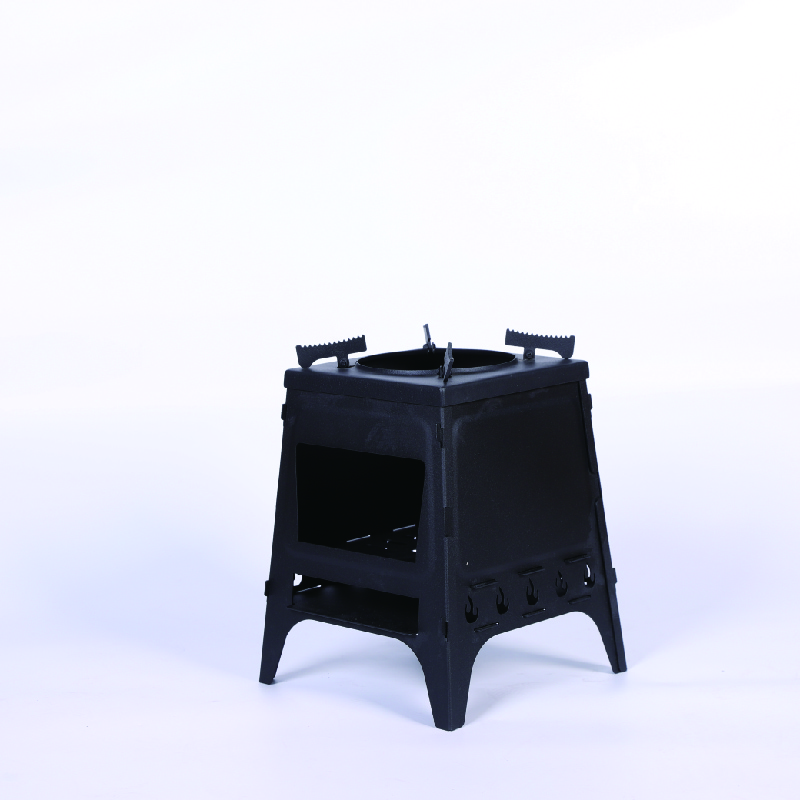
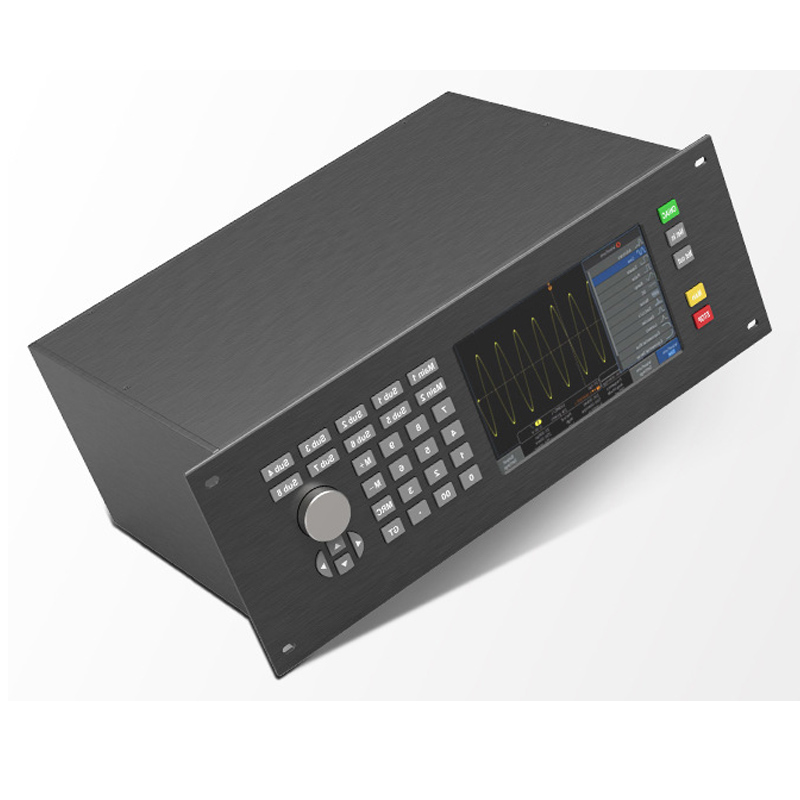
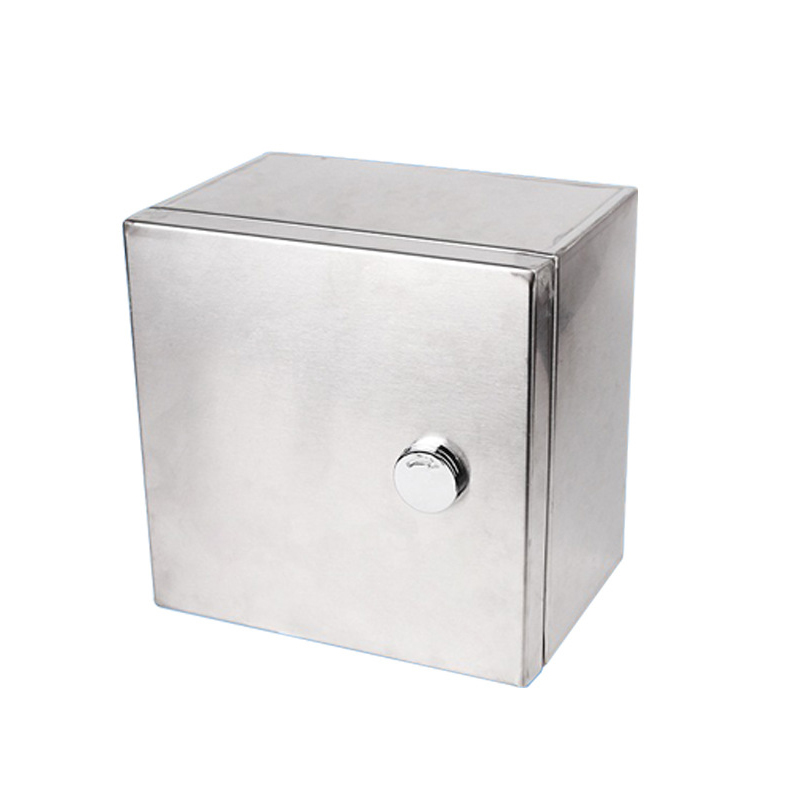
At the same time, modern production equipment relies heavily on customized Sheet Metal Parts. Machine frames, electrical cabinets, safety covers, mounting brackets, ventilation panels, and equipment enclosures are commonly manufactured using high-quality Sheet Metal Parts produced through advanced stamping technology.
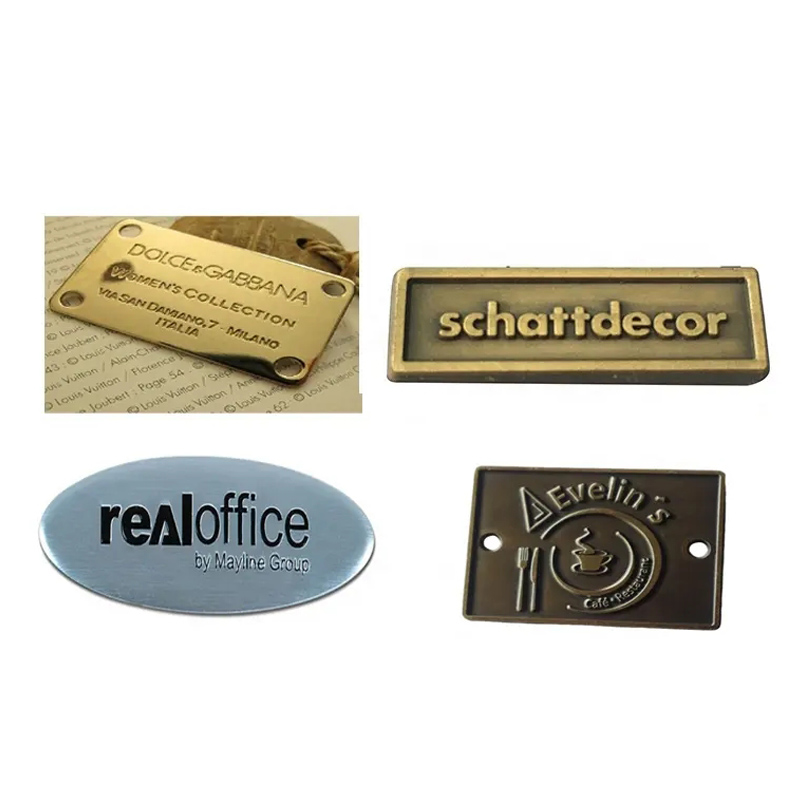
Because every industrial project has unique engineering requirements, buyers increasingly prefer Custom Metal Stamping instead of standard catalog products. Custom Metal Stamping enables manufacturers to optimize material thickness, hole positions, bending angles, structural strength, and surface finishing according to specific product designs.
Advanced Custom Metal Stamping also reduces secondary machining operations, helping manufacturers shorten production cycles and improve assembly efficiency.
Progressive die technology has become one of the most widely used solutions in Precision Metal Stamping. Multiple forming, piercing, embossing, and cutting operations can be completed during a single production process, improving productivity while maintaining outstanding dimensional consistency.
Modern Metal Stamping Parts are manufactured from a wide range of materials including stainless steel, aluminum, galvanized steel, copper, and high-strength alloy steel. Each material offers unique advantages depending on the final application.
Aluminum Metal Stamping Parts are ideal for lightweight products such as electric vehicles and aerospace equipment. Stainless steel Stamped Metal Components provide excellent corrosion resistance for renewable energy installations and outdoor applications. Copper Stamped Metal Components remain essential for electrical conductivity in charging systems and electronic equipment.
Automation is also improving manufacturing quality. Intelligent presses, automatic feeding systems, optical inspection equipment, and robotic handling systems allow manufacturers to produce Precision Metal Stamping products with exceptional consistency while reducing production errors.
Environmental responsibility has become another purchasing consideration. Efficient Custom Metal Stamping processes maximize material utilization and reduce scrap generation, helping manufacturers support sustainable production goals without compromising quality.
As industries continue investing in electric mobility, factory automation, renewable energy, and advanced industrial equipment, demand for Metal Stamping Parts, Precision Metal Stamping, Custom Metal Stamping, Sheet Metal Parts, and Stamped Metal Components will continue expanding.
Manufacturers with advanced tooling capabilities, automated production lines, and extensive engineering experience are well positioned to support global customers seeking high-performance metal components for the next generation of industrial innovation.
