
Manufacturing Investment Continues to Accelerate Worldwide
Global manufacturing is entering a period of sustained investment driven by infrastructure modernization, renewable energy expansion, industrial automation, and advanced transportation technologies. Across Europe and North America, governments and private industries are increasing spending on production facilities, smart factories, electric vehicles, energy storage systems, and automation equipment.
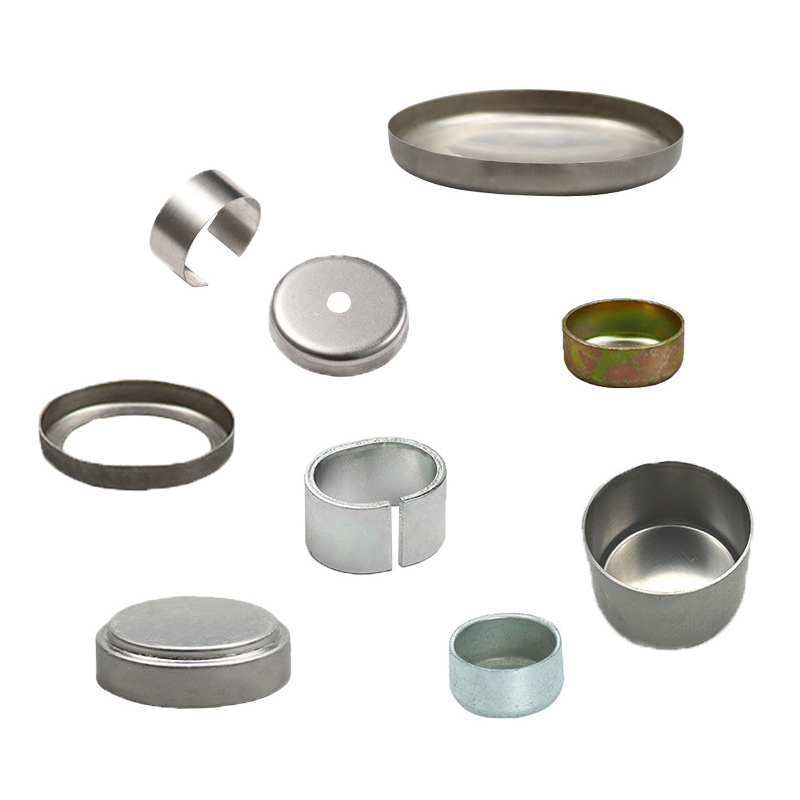
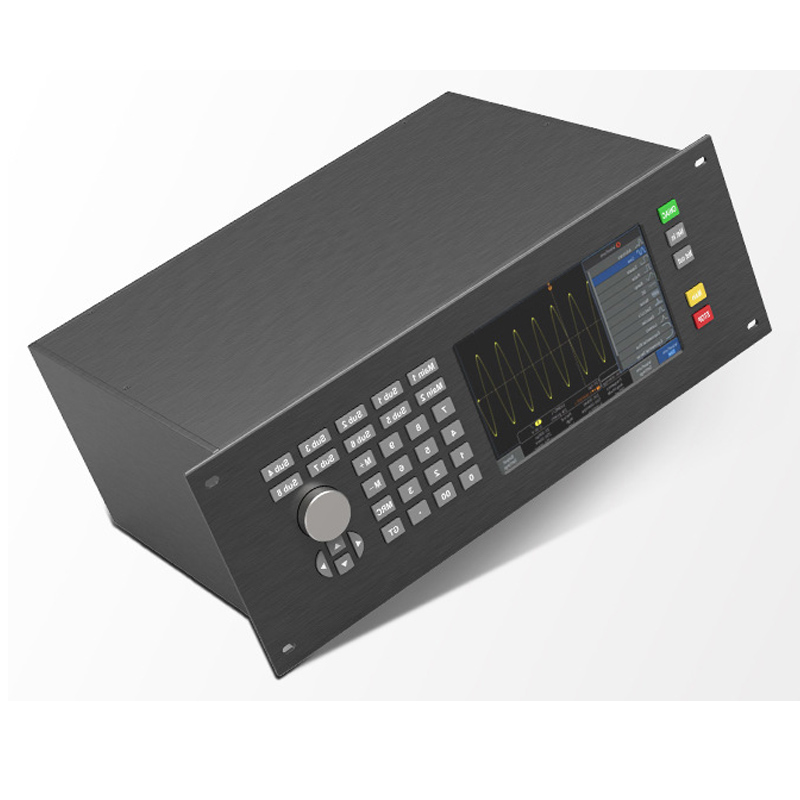
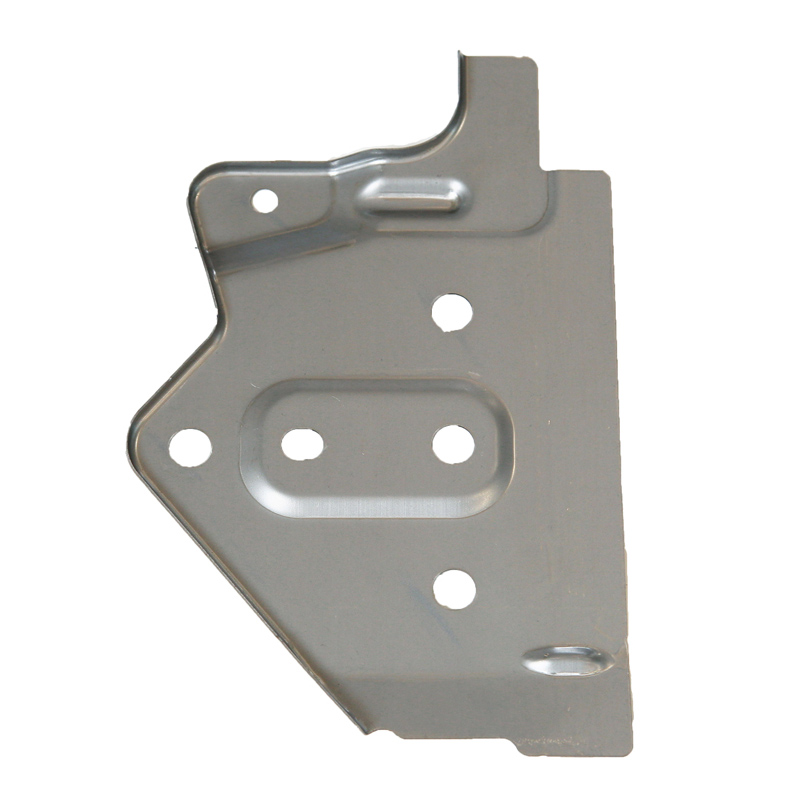
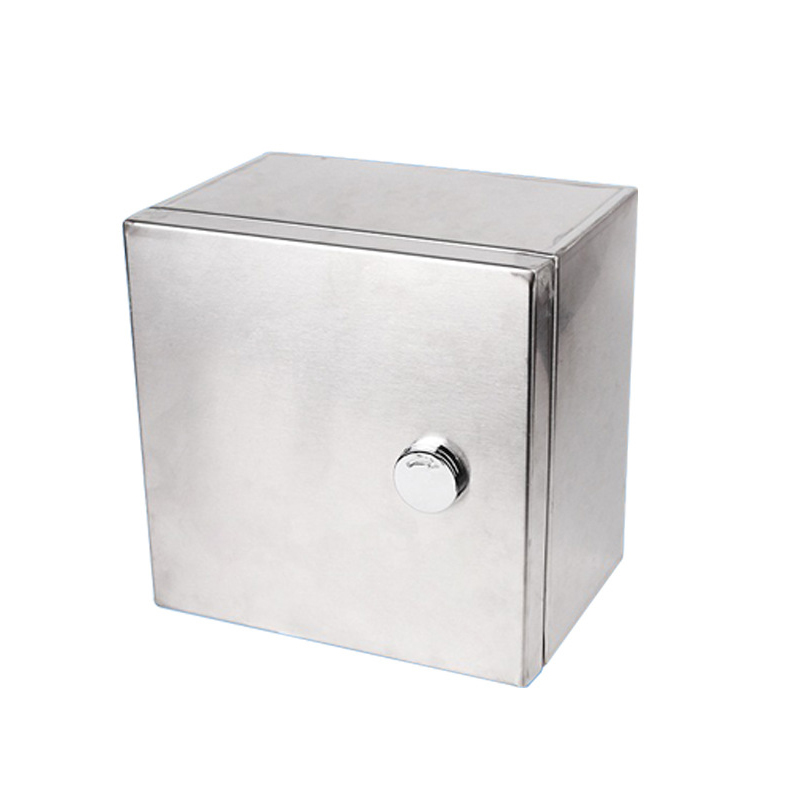
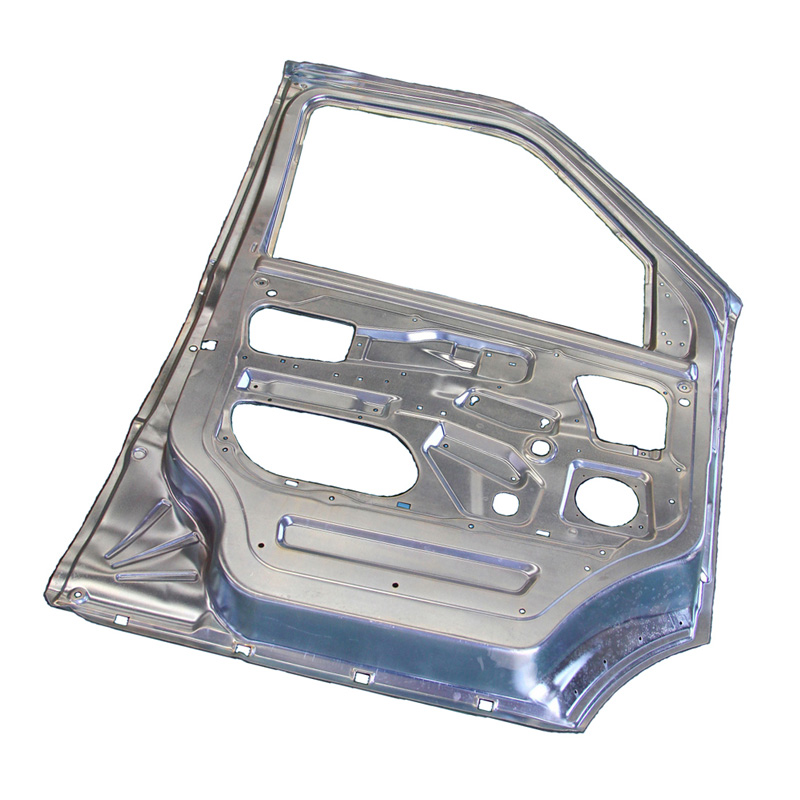
These developments have created strong demand for reliable, repeatable, and cost-effective metal components. As a result, Metal Stamping has become one of the most important manufacturing technologies supporting industrial growth.
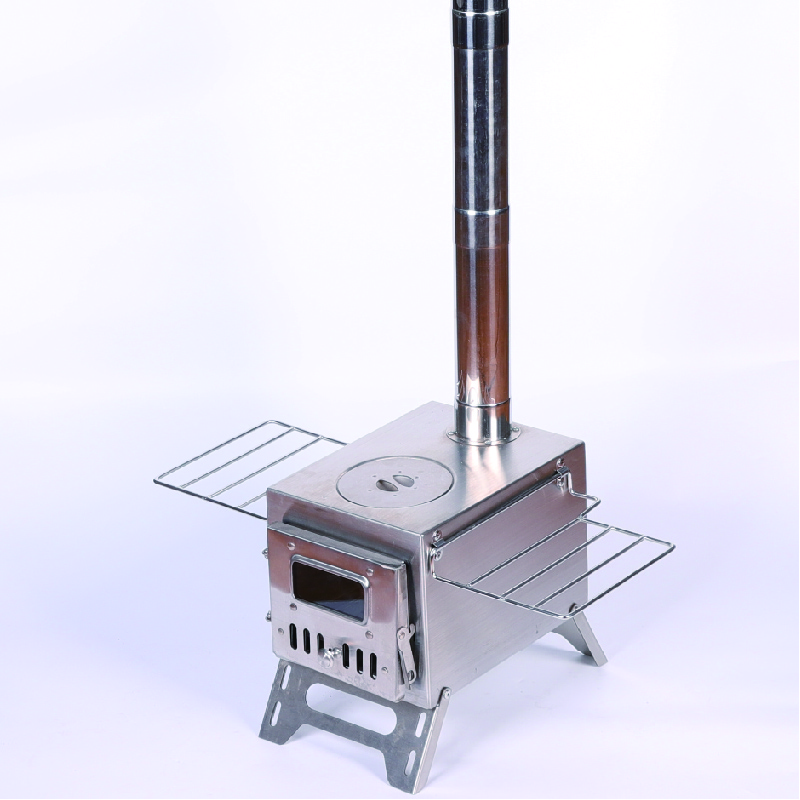
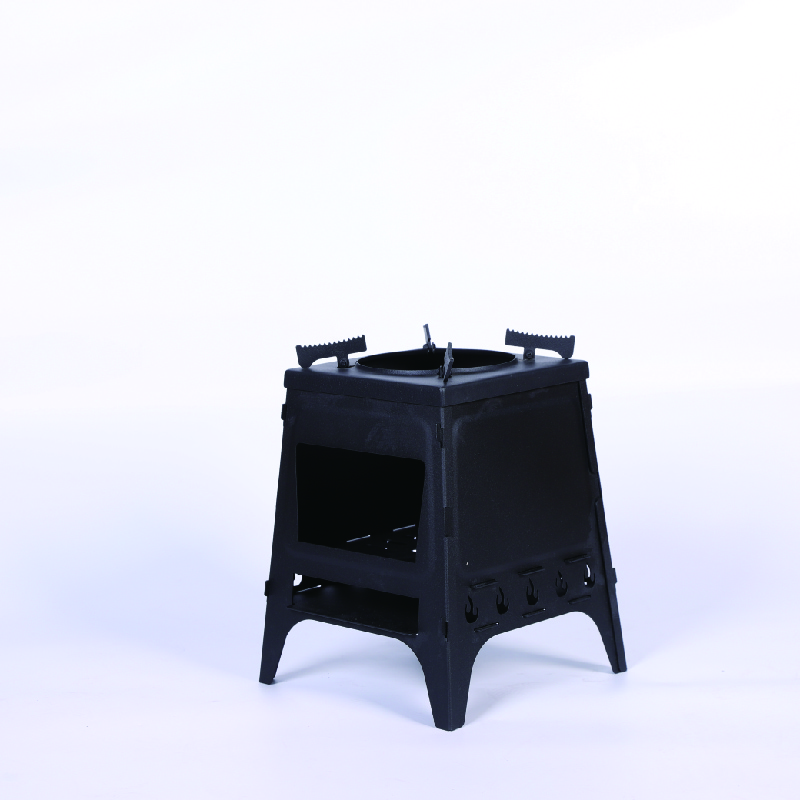
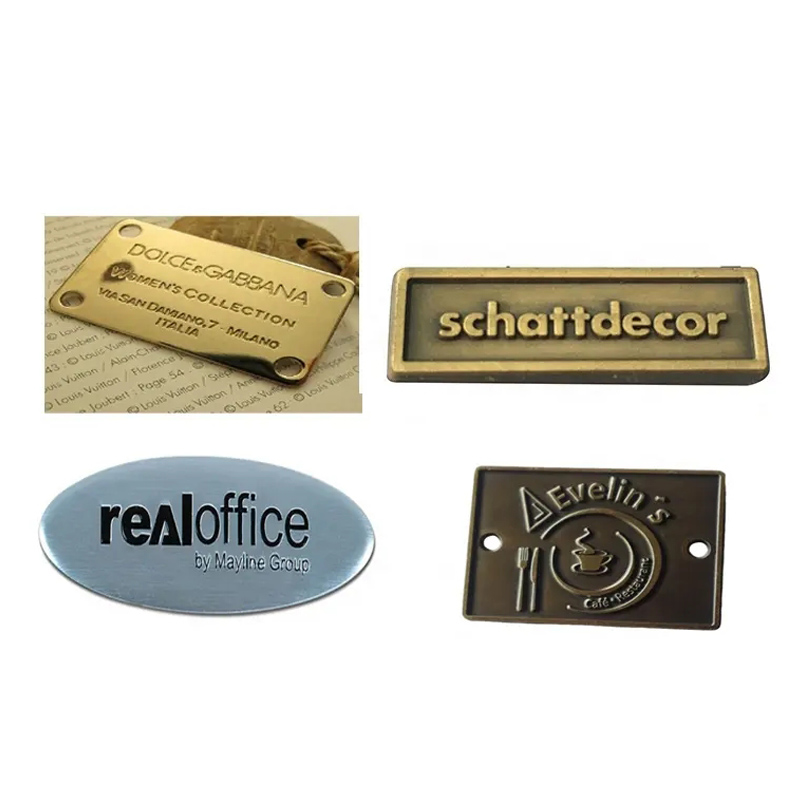
Unlike machining processes that remove material, Metal Stamping efficiently forms metal into precise shapes with excellent repeatability. This allows manufacturers to produce large quantities of identical parts while maintaining strict dimensional accuracy. From automotive assemblies to electrical enclosures, from industrial brackets to renewable energy systems, Metal Stamping plays a critical role in modern manufacturing.
International buyers are increasingly seeking manufacturing partners capable of delivering consistent quality, advanced tooling, and efficient production. These expectations have made Precision Stamping, Custom Metal Parts, Sheet Metal Stamping, and Progressive Die Stamping more important than ever before.
Precision Stamping Is Essential for High-Performance Products
Modern products demand exceptional accuracy. Components used in electric vehicles, robotics, industrial controls, telecommunications equipment, and medical devices must fit perfectly during assembly while maintaining long service life.
This is where Precision Stamping demonstrates its greatest advantages.
Using high-accuracy dies, precision presses, automated feeding systems, and advanced quality inspection, Precision Stamping consistently produces components with tight tolerances and repeatable dimensions.
Manufacturers choose Precision Stamping because it minimizes production variation, improves assembly efficiency, and reduces downstream manufacturing costs. High-quality stamped components require less adjustment during installation, improving production speed while lowering defect rates.
As engineering standards continue to rise throughout Europe and North America, Precision Stamping has become a preferred manufacturing solution for industries that demand reliability and long-term product performance.
